Architectural integrity and the biological foundation of the cheek
The smell of sharp pencil lead and the dust of old blueprints fills my workspace. I look at the human face and see a cantilevered system. It is not just skin. It is a load-bearing structure where the zygomatic arch serves as the primary joist for everything below it. When that joist weakens, the entire facade begins to sag toward the foundation. This article provides a comprehensive analysis of dermal fillers and metabolic health. Disclaimer: This information is for educational purposes and does not constitute medical advice. Consult a licensed healthcare professional before undergoing any aesthetic or metabolic treatment.
As we reach the year 2026, the strategy for facial rejuvenation has shifted from superficial camouflage to deep structural reinforcement. We are no longer just painting over cracks in the drywall. We are reinforcing the frame. The biological reality of aging is a multi-layered failure of materials. Bone resorbs. Fat pads shift. The extracellular matrix loses its tension. When we discuss dermal fillers, we are discussing the physics of volume displacement and the chemistry of cellular signaling. In South Tampa, where the humidity and solar load act as constant environmental stressors, maintaining this structural integrity requires a precise, engineering-focused approach.
The current state of aesthetic medicine focuses on the restoration of natural contours rather than the creation of artificial volume. This is particularly relevant for those looking to address loss of definition without looking overdone. To understand how this works, we must zoom in to the cellular level to see how these substances interact with your biology. It is not magic. It is metallurgy for the soft tissues.
The microscopic reality of hyaluronic acid and fibroblast stimulation
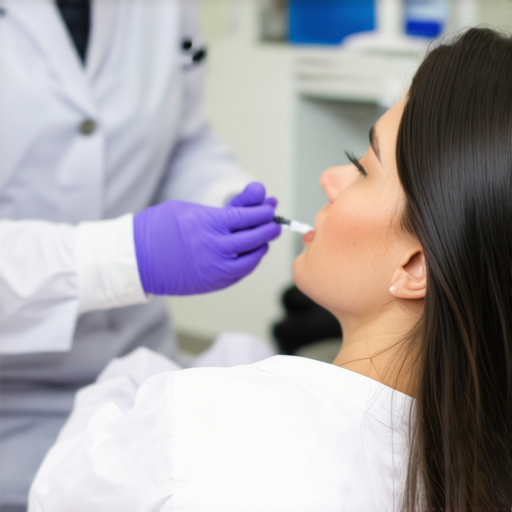
At the center of this structural repair is the hyaluronic acid molecule. This is a naturally occurring polysaccharide found within the human body. In its synthetic form, it is engineered with specific cross-linking densities. Imagine a steel mesh. The more cross-links between the chains, the more lifting capacity the gel has. When a practitioner places this gel onto the bone of the cheek, it acts as a hydraulic jack. It lifts the sagging superficial fat pads and restores the sharp angle of the jawline by tightening the skin through volume alone. This process is often preferred over invasive surgeries because it respects the existing biological blueprints.
There is a secondary mechanism at play that most influencers ignore. The presence of the filler itself creates a mechanical stretch on the surrounding fibroblasts. These cells are the construction workers of the skin. When they feel the tension from the filler, they interpret it as a signal to produce new collagen and elastin. This is the biological ROI of the treatment. You are not just buying volume. You are investing in a metabolic signal that tells your body to repair its own scaffolding. This is why many patients see improved skin quality long after the initial gel has been metabolized by the body. Many people ask if they need Botox or filler for specific structural concerns, and the answer usually lies in whether the issue is a muscle movement problem or a structural volume deficiency.
South Tampa environmental stressors and the Hyde Park aesthetic
Living near Bayshore Boulevard or walking through the shops in Hyde Park Village exposes the skin to high levels of ultraviolet radiation. This radiation triggers the production of matrix metalloproteinases. These are enzymes that act like demolition crews, breaking down the collagen fibers that hold your face together. In this environment, the cheeks are the first to show the strain. The sun-damaged skin loses its elasticity, and the deep fat pads of the midface begin to slide downward. This creates the nasolabial fold, which is really just a symptom of a failing midface foundation. Many local professionals are now opting for preventative injections to stay ahead of this structural decline.
The cultural nuance of South Tampa demands a look that is refreshed but ruggedly natural. No one wants to look like they have had work done while they are dining at Bern’s Steak House or attending a gala at the Tampa Museum of Art. The goal is to look like you have been sleeping well and staying hydrated, even if you are working sixty hours a week. This is achieved by placing the filler deep, often underneath the muscle, where it cannot be seen but its effects can be felt. This is the silent architecture of beauty. It is the difference between a cheap renovation and a historic restoration in Old Northeast.
[IMAGE_PLACEHOLDER]
The metabolic cost of inflammatory aging and the failure of generic protocols
Standard fitness advice suggests that if you just eat less and move more, you will look better. As an architect of human performance, I tell you that is a lie. Extreme caloric deficits, especially in women over 40, lead to rapid facial fat loss. This is known as the runner’s face. You lose the structural fat that keeps you looking young. The body, in its desperate attempt to find energy, breaks down the very materials that provide facial volume. This creates a metabolic debt. To fix this, we must balance systemic inflammation through proper micronutrient timing and targeted aesthetic interventions. If you are noticing deep wrinkles and volume loss, it is often a sign that the body’s internal repair mechanisms are overwhelmed.
The contrarian truth is that some inflammation is necessary. We want the minor, controlled inflammation caused by a needle to trigger a healing response. We do not want the chronic, systemic inflammation caused by poor sleep and high cortisol. When these two collide, the filler does not last as long. The body’s immune system views the foreign HA gel as something to be cleared out quickly. To maximize the ROI of your cheek fillers, you must manage your biology like a high-stakes project. This means tracking your metabolic health and ensuring your protein intake is sufficient to support the new collagen your fibroblasts are trying to build.
Clinical Reading List for Structural Longevity
- Common misconceptions regarding midface fillers
- Criteria for selecting a results-oriented injector
- Long-term effects of neurotoxins on muscle atrophy
- The philosophy of facial symmetry in 2026
- Top performing aesthetic treatments in Tampa
Legacy training vs the 2026 biohacking reality
In the old days, people thought weightlifting was only for the body. In 2026, we know that resistance training improves bone density in the skull. This provides a better anchor for your skin. However, even the best workout cannot replace the fat pads that have disappeared. We must use a hybrid approach. We use fillers for the structural volume and Botox for the dynamic movement. If you have ever wondered if Botox can fix under eye wrinkles, you are starting to understand that every square inch of the face requires a different tool. You would not use a sledgehammer to hang a picture frame. You would not use a heavy filler in the delicate skin under the eye.
Frequently Asked Questions on Facial Scaffolding
Will cheek fillers make my face look wider?
Not if they are placed correctly. Proper placement on the lateral zygomatic arch actually narrows the appearance of the lower face by creating a lifting effect. It is like tightening a sagging rope. The slack is pulled upward and outward, creating a more V-shaped, youthful contour rather than a wide, puffy look.
How long do these structural fillers actually last?
The duration depends on your metabolic rate. Most high-density HA fillers last between twelve and eighteen months. However, if you are a high-performance athlete with a fast metabolism, your body may process the gel faster. We monitor the structural integrity at six-month intervals to ensure the foundation remains solid.
Is the procedure painful for those with a low threshold?
The gels contain lidocaine, which numbs the area from the inside out. Most patients describe it as a strange pressure rather than a sharp pain. It is the feeling of a building being reinforced. It is a necessary discomfort for a long-term structural gain.
Can fillers be combined with other treatments like laser therapy?
Yes. We often recommend a layered approach. We fix the foundation with fillers and then fix the surface shingles with lasers or chemical peels. This addresses both the structural and the aesthetic aspects of aging simultaneously. You can read more about top skin fixes for this year to see how these protocols stack together.
What happens if I decide to stop getting fillers?
Your face does not melt. The gel slowly dissolves and your face gradually returns to its baseline state. However, because the filler stimulated new collagen growth, you are often left in a better position than if you had never done anything at all. It is like a building that had temporary supports that eventually led to a permanent fix.
Reinforcing the future of your aesthetic foundation
The blueprints for a youthful face are written in our biology, but time and gravity are persistent architects of decay. By utilizing modern dermal fillers as structural tools, we can fight back against the settling of the midface. We are not chasing vanity. We are maintaining the integrity of our biological frame. In South Tampa, where the sun never stops its demolition work, being proactive is the only way to avoid a total collapse of the facial structure. If you are ready to review your own structural needs, Dr. Anne Hermann and her team are the master builders you need. Do not wait for the foundation to crumble. Schedule a consultation today and let us map out your restoration plan.