Medical Disclaimer. This content is for informational purposes only and does not constitute medical advice, diagnosis, or treatment. Always seek the advice of your physician or other qualified health provider with any questions you may have regarding a medical condition. Results of neuromodulators vary based on individual metabolism and biological response.
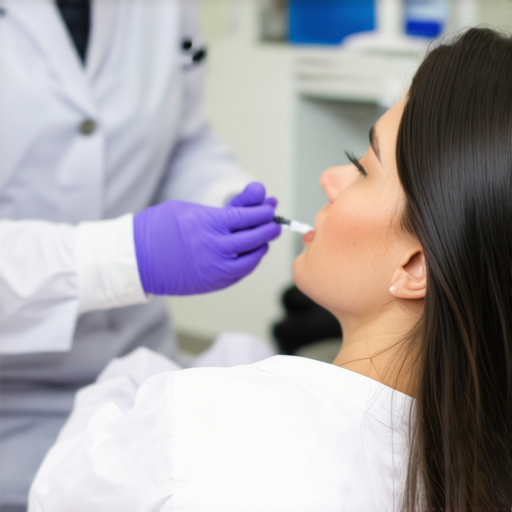
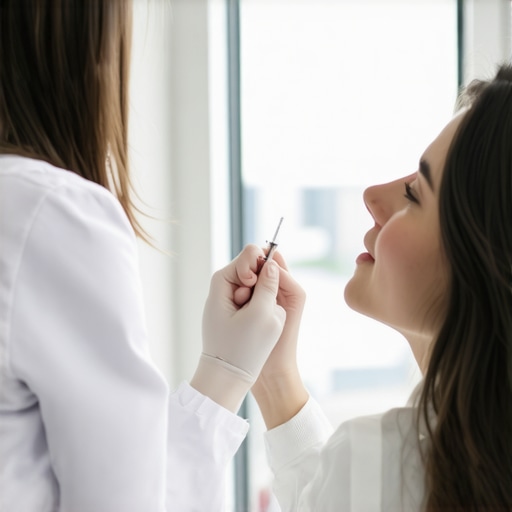
The air in my workshop always carries the heavy, comforting scent of old glue and freshly planed oak. When you spend decades restoring 18th-century mahogany, you learn that a fine patina is not something to be stripped away. It is something to be preserved. You do not slather a rare side table in thick plastic polyurethane. You rub it with oil. You respect the grain. Human skin is no different. In 2026, the era of the frozen, plastic face is dead. We are now in the age of biological restoration. If you are standing on the edge of your first treatment in South Tampa, you are likely worried about looking like a wax figure. You want the structural integrity of your face back without losing the story it tells. BLUF (Bottom Line Up Front). Natural first-time Botox in 2026 focuses on micro-dosing to inhibit the SNAP-25 protein complex, effectively softening expression lines while maintaining the natural movement required for human connection. A successful first visit requires a practitioner who understands the load-bearing capacity of your facial muscles rather than just following a standard injection map.
The microscopic reality of the SNAP protein blockade
To understand why your skin finally relaxes, we must look at the microscopic dance of the synapse. Your brain sends a signal. This signal is an electrical pulse that travels down the axon of a motor nerve. When it reaches the terminal, it triggers the release of a chemical messenger called acetylcholine. This chemical is packed into tiny bubbles called vesicles. For these bubbles to pop and release their cargo, they must dock with the cell membrane. This docking process is managed by a group of proteins known as the SNARE complex. Imagine a ship trying to dock at a pier. If the ropes are cut, the ship cannot land. Botulinum toxin acts as the shears. It specifically targets and cleaves the SNAP-25 protein. Without this protein, the vesicle cannot dock. The acetylcholine stays trapped inside. The muscle never receives the order to contract. This is not a permanent destruction. The body is a resilient, living organism. Over the course of three to four months, the nerve terminal begins to sprout new endings. It rebuilds the machinery. It restores the signal. This is why we call it a temporary interruption of the mechanical load. When we apply this to a first-time patient, we are looking at the resting tension of the muscle fibers. We are not trying to paralyze the unit. We are trying to lower the volume of the signal. If the signal is a shout, we want to turn it into a whisper. This allows the skin resting on top of the muscle to finally sit flat. It allows the collagen fibers to recover from the constant folding and unfolding that creates permanent creases in the veneer of the dermis.
South Tampa sun and the mechanical stress of the squint
Living near Bayshore Boulevard or walking the shaded streets of Hyde Park offers a specific set of biological challenges. The Florida sun is a relentless force. It forces a constant, reflexive squinting. This squint is a survival mechanism. It protects the retina from UV damage, but it places an enormous mechanical burden on the orbicularis oculi muscle. This muscle is a circular band that rings the eye. Over thousands of repetitions, the skin above it begins to crack. We call these crow’s feet. For a beginner, the goal is to soften this reflex without losing the warmth of a smile. Observations from the clinic show that South Tampa patients often present with deeper vertical lines between the eyebrows, often called the eleven lines. This comes from the intensity of the light and the focus required for high-stakes professional life. When we treat a first-timer, we look at the interaction between the procerus and the corrugator supercilii. These are the muscles that pull the brows down and in. By carefully placing small units of toxin here, we reduce the downward pull. It is like adjusting the tension on a piano string. If it is too tight, the note is sharp. If it is too loose, it is flat. We want the middle. We want the harmony of a face that looks rested but still capable of expressing concern, joy, or surprise. You should look like you just spent a week in a quiet cabin in the woods, not like you have had a surgical procedure.
Clinical Reading List for First Time Patients
- 7 things every botox beginner in tampa should know for 2026
- first time getting botox your 2026 tampa survival checklist
- botox for beginners in tampa 7 must know tips for 2026
- look 5 years younger dr hermanns signature botox results
- anti aging botox results how to look refreshed in 2026
Why the influencer science of more is better fails
The modern wellness industry often treats the body like a bucket. They think if you just keep pouring in more product, you will get a better result. This is a fundamental misunderstanding of biological systems. The human face is a complex network of synergistic and antagonistic muscles. If you completely freeze the forehead, the eyebrows will eventually drop. The frontalis muscle, which lifts the brows, is the only elevator in the upper face. If you knock it out completely, gravity wins. This is why many people end up with a heavy, angry look after getting too much Botox. They were seeking youth but found a leaden brow. A true architect of the face knows that you must leave some movement in the upper forehead to keep the eyes open and bright. This is where the artistry of the injector comes into play. It is not about the number of units. It is about the placement. It is about knowing where the muscle inserts into the bone and where it weaves into the skin. I have seen too many people come into the shop with faces that look like they were cast in a mold. There is no life in the wood. There is no grain. We must avoid this. We must treat the face as a living structure that needs to move to stay healthy. Movement encourages lymphatic drainage. Movement keeps the tissue oxygenated. We are not looking for a statue. We are looking for a more refined version of yourself.
The structural shift from 1920s physical culture to 2026 biohacking
A hundred years ago, the physical culture movement focused on raw strength and Spartan discipline. They believed that the body could be forged through sheer will. While I admire the grit, we have learned that the body is much more subtle than a piece of iron on an anvil. In 2026, we use technology to support our biology rather than override it. Botox is no longer just for vanity. It is used for TMJ pain, for migraines, and for hyperhidrosis. It is a tool for systemic comfort. When a first-time patient in Tampa considers treatment, they are often thinking about the long-term ROI of their appearance. This is preventative maintenance. By stopping the deep etching of lines now, you are saving the structural integrity of the skin for the next thirty years. It is much easier to keep a finish in good condition than it is to strip it down and start over once it has rotted. This is the logic of the modern era. We use small, strategic interventions to maintain the foundation. We are not trying to rebuild the house. We are just fixing the shingles before the roof leaks.
Common questions for the first time Tampa patient
Does the treatment hurt during the injection? Most patients describe the sensation as a tiny prick, similar to a mosquito bite. The needles used are extremely fine, often 31 or 32 gauge. This is about the width of a human hair. In a professional setting, the process is quick. It takes less than ten minutes to complete the structural map.
How long until I see the final result in the mirror? Biology takes time. While the toxin begins to bind to the proteins almost immediately, the visible relaxation of the muscle usually takes three to seven days. The full effect is typically reached at the fourteen-day mark. This is when the skin has had time to smooth out over the quieted muscle.
Will everyone know I had something done? If the treatment is performed with a focus on natural restoration, no one should know. They might ask if you changed your skincare routine or if you finally caught up on sleep. The goal is a refreshed look, not a different face.
What if I do not like the way it feels? The beauty of neuromodulators is that they are temporary. Your body will naturally metabolize the toxin and rebuild the neural pathways. Within three to four months, your full movement will return. This makes it a very low-risk entry point for those curious about aesthetic restoration.
Is there a specific age to start preventative treatments? There is no magic number. It depends on your genetics, your sun exposure, and the strength of your facial expressions. Some people start in their late twenties to prevent lines from forming. Others wait until their forties. The best time is when the lines start to linger even when your face is at rest.
The final polish on a new beginning
Restoration is a slow process. It requires patience and a steady hand. When you walk out of a clinic in South Tampa, you should feel a sense of relief. The heavy weight of the Florida sun and the constant tension of modern life should feel a little lighter. You are not changing who you are. You are just clearing away the dust. You are letting the natural beauty of your bone structure and your skin shine through without the interference of deep, stress-induced wrinkles. It is like taking a fine piece of furniture out of a dark attic and giving it the light it deserves. Take care of the structure. Respect the patina. The results will speak for themselves. If you are ready to see what a skilled hand can do for your confidence, it is time to stop watching from the sidelines. The grain is waiting to be revealed. Choose a professional who values your unique anatomy as much as you do. The future of your skin is a project worth doing right the first time.
This article offers a really insightful look into the nuances of first-time Botox treatments in Tampa. I appreciate how it emphasizes the importance of micro-dosing and natural movement rather than just trying to eliminate every expression line. Living close to Hyde Park, I’ve seen many friends opt for Botox, but often with exaggerated results. The approach described here—targeting the load-bearing muscles and maintaining facial harmony—resonates with me because it aligns with the idea of preserving authenticity and personality in our appearance. I’m curious, how do practitioners determine the precise amount of toxin needed without over-inhibiting the muscles? It seems like a delicate balance. Are there specific signs that tell you you’re approaching too much? I’d love to hear about how other first-timers in Tampa have navigated this decision and what their experiences have been regarding the natural look after treatment.
That is a great point, Emily. To answer your question about how practitioners figure out the precise amount, my dermatologist told me they actually map out your muscle movement and start with conservative micro-doses, evaluating how your individual metabolism responds at the two-week mark rather than guessing upfront. Living down here near Bayshore, the relentless sun definitely makes us squint harder, which stresses those orbicularis oculi muscles way faster than folks realize. I was terrified of looking frozen on my first visit, but my injector essentially treated it like adjusting the tension on an instrument string—just lowering the volume of the muscle contraction instead of cutting the cord completely. For anyone else in South Tampa considering their first session, how did you manage to find an injector who truly prioritized your natural facial harmony over a standard, one-size-fits-all map?