Medical Disclaimer: The following information is for educational purposes only and does not constitute medical advice. Consult with a board-certified physician like Dr. Anne Hermann before undergoing any aesthetic injections. Results vary based on individual metabolic rates and anatomical structure.
The air in my workshop smells of old glue and beeswax. I spent forty years learning that you do not fix a 19th-century mahogany desk by slapping a layer of cheap plastic over the top. You respect the grain. You understand the joinery. You look for the stress fractures in the load-bearing beams before you ever touch the finish. The human face at fifty is no different. It is a piece of living history that has developed a certain patina through years of laughter, squinting at the harsh Florida sun on Bayshore Boulevard, and the quiet weight of experience. Many women walk into a clinic demanding to be ‘erased,’ but that is the instinct of a house flipper, not a restorer. Real restoration requires a surgical understanding of the framework beneath the veneer. If you want to maintain the structural integrity of your appearance, you must focus on the four specific areas where the metabolic and mechanical decline of the tissue is most evident. It is about preserving the original craftsmanship of your features, not replacing them with a frozen mask that smells of desperation and modern chemicals.
The precise mechanics of the synaptic cleft and neuromuscular junction
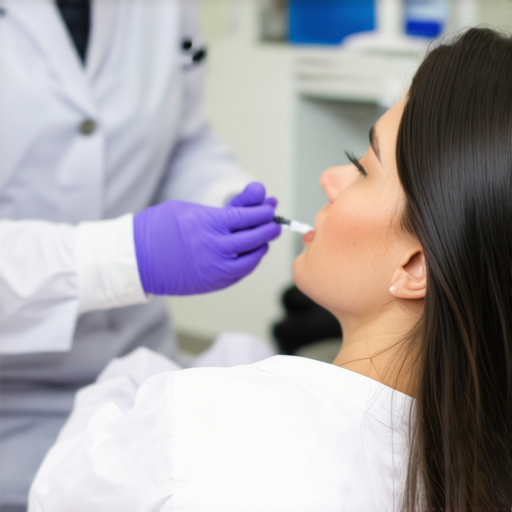
To understand why neuromodulators are the fine-grit sandpaper of the aesthetic world, we must zoom into the microscopic reality of the motor endplate. When you decide to frown, your brain sends an electrical signal that travels down the axon. This signal arrives at the nerve terminal and triggers the release of acetylcholine. These chemical messengers are stored in tiny sacs called vesicles. For these vesicles to dump their cargo into the synaptic gap, they must dock with the cell membrane using a protein complex called SNAP-25. This is where the chemistry of the restoration begins. The botulinum toxin molecule consists of a heavy chain and a light chain. Once injected, the heavy chain acts as a guide, helping the molecule enter the nerve cell. Once inside, the light chain acts like a pair of precision snips, cleaving the SNAP-25 protein. Without that protein, the acetylcholine vesicles cannot dock. The message to contract the muscle is never delivered. For women over forty, understanding these 3 botox secrets every woman over 40 needs to know 2026 update is the difference between a refined finish and a structural failure. We are not just stopping a wrinkle. We are temporarily pausing a mechanical stressor that is actively thinning the dermal layer. Over time, the constant folding of skin leads to a breakdown of Type I collagen and elastin fibers in the extracellular matrix. By quieting the muscle, we give the fibroblasts a chance to repair the grain of the skin without the constant seismic interruption of a contraction.
The orbital fretwork and smoothing the crows feet
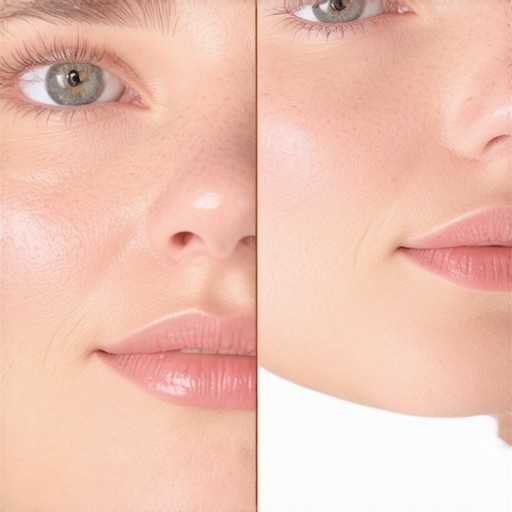
The skin around the eyes is the thinnest on the entire human frame, much like the delicate inlay on a high-end jewelry box. It lacks the robust sebaceous glands found elsewhere, making it prone to drying and cracking as estrogen levels fluctuate during the fifth decade of life. When the orbicularis oculi muscle contracts, it pulls the skin inward, creating the radial lines we call crows feet. In South Tampa, the intense UV index accelerates the solar elastosis in this region, turning fine lines into deep grooves. Restoring this area requires a light touch to ensure the eye remains open and expressive. Patients often look for smooth eye wrinkles fast with these 2026 botox techniques to avoid the sunken, hollow look that comes from over-treatment. The goal is to soften the dynamic pull while leaving the static character of the face intact. If you strip too much of the finish, the piece loses its value. We are looking for a supple, hydrated appearance that reflects light rather than trapping it in the shadows of a fold.
Addressing the structural rot of the glabellar complex
The space between your eyebrows is the primary load-bearing pillar of your facial expression. It is composed of the procerus and the corrugator supercilii muscles. These muscles are powerful. They are designed to pull the brow down and in, protecting the eyes from glare or signaling deep concentration. By the time a woman reaches fifty, these muscles have often developed a state of hypertonicity. They are ‘on’ even when you are at rest. This creates the ’11’ lines that make one look perpetually frustrated or exhausted. From a restoration perspective, this is a deep structural knot that needs to be untied. When we treat the glabella, we are performing a facial rejuvenation without surgery the 2026 strategy that rebalances the tug-of-war between the muscles that pull the face down and those that lift it up. If the glabella is too tight, it drags the medial brow down, creating a heavy, hooded appearance. By relaxing this complex, the frontalis muscle on the forehead can more effectively lift the brow, opening the entire upper third of the face without a single incision.
The subtle rise of the chemical brow lift
Many women over fifty consider a surgical brow lift, but the recovery is like a total structural overhaul that many pieces of furniture simply cannot handle. A chemical lift uses the body’s own mechanical logic to achieve a similar result. By targeting the lateral tail of the brow, we can disable the small portion of the orbicularis oculi that pulls the eyebrow downward. This allows the forehead muscles to win the battle, resulting in a two to three-millimeter lift of the outer brow. It is a subtle adjustment, like shimmying a table leg to make it perfectly level, but the impact on the overall symmetry is profound. Those looking at botox eyebrow lift vs surgical brow lift 2026 update will find that the non-surgical route preserves the natural movement of the face, which is vital for a woman who still wants to look like herself, only better rested.
The forgotten corners of the mouth and the chin dimple
As we age, the lower face begins to succumb to the relentless pull of gravity and the weakening of the mandibular bone structure. The Depressor Anguli Oris (DAO) is a muscle that runs from the corners of your mouth down to your jawline. Its only job is to pull the corners of your mouth down. At fifty, the DAO often becomes overactive, leading to a permanent ‘sad’ expression and contributing to the formation of marionette lines. A few units of neuromodulator here can relax that downward pull, allowing the mouth to return to a neutral, pleasant position. Furthermore, many women notice a ‘pebbled’ or ‘cobblestone’ appearance on their chin, known as peau d’orange. This is caused by the mentalis muscle straining against thinning skin. Treating the chin is an often-overlooked part of a comprehensive plan. It is like fixing the base of a cabinet that has begun to splinter. When the chin is smooth, the jawline appears more defined and the profile becomes sharper. For residents near the Westchase area, seeking westchase botox how to get natural looks without the freeze means finding an injector who understands that the lower face requires extreme precision to avoid affecting the muscles used for smiling and speaking.
Clinical Reading List for Structural Aesthetics
- The 2026 South Tampa strategy for five year age reversal
- Common injection errors that actually age the face
- Why topical creams fail where injections succeed
- The four pillars of anti-aging skin health in 2026
Why the standard wellness playbook fails the mature woman
The fitness industry wants to tell you that if you just drink enough green juice and do enough face yoga, you can reverse the laws of physics. That is a lie. Face yoga, in particular, is the equivalent of trying to fix a loose hinge by swinging the door back and forth violently. It only creates more wear and tear. By the time you are fifty, the repetitive motion of ‘facial exercises’ is likely deepening your wrinkles, not smoothing them. The ‘Standard American Diet’ is also a culprit. High sugar intake leads to advanced glycation end products (AGEs), which cross-link with collagen fibers, making them brittle like old, dry wood. When collagen is brittle, it cannot bounce back from a contraction. This is why a targeted medical approach is necessary. You cannot supplement your way out of a hyperactive muscle. You need a targeted intervention to break the cycle of mechanical damage. Observations from the clinic show that women who combine micro-dosed injections with a high-protein, low-glycemic diet see a 40% better retention of skin elasticity compared to those who rely on topical treatments alone. We are treating the body as a system, not a collection of isolated parts. If the foundation is rotting, a new coat of paint will not save the house.
The 2026 reality of bio-somatic restoration
We are moving away from the era of ‘big botox.’ In 2026, the trend is toward micro-tox or ‘baby botox’ used strategically over longer periods. For the woman over fifty, this means more frequent, smaller doses that keep the muscle in a state of relaxed grace rather than total paralysis. We are looking for the ‘glow’ that comes from light hitting a smooth surface, not the ‘shine’ that comes from skin stretched too tight over a bone. The modern restorer uses a variety of tools. Sometimes, we find that botox vs fillers which fixes your deep wrinkles better is the wrong question. Usually, it is a combination of both. Botox handles the mechanical pull, while fillers or bio-stimulators like Sculptra handle the volume loss in the cheeks and temples. Think of it as tightening the screws before you fill the wood grain. If you fill a hole in a moving part, the filler will just be squeezed out or displaced. You must stop the movement first.
Frequently Asked Questions About Mature Facial Restoration
Does Botox make your skin thinner over time? No, when used correctly, it can actually help the skin thicken by reducing the constant mechanical stress on the dermis, allowing collagen to rebuild. However, over-treatment of the forehead can lead to muscle atrophy, which is why a skilled injector is vital.
Will I lose my ability to show emotion? Only if the injector is a butcher. A true restorer knows which muscles to leave alone so that your smile remains genuine and your eyes still sparkle when you laugh.
How long does it really last at fifty? Metabolic rates vary, but as we age, the duration can slightly decrease as the body’s repair mechanisms change. Expect three to four months of peak restoration before the finish begins to wear off.
Can it help with my heavy eyelids? Indirectly, yes. By relaxing the muscles that pull the brow down, we can create more ‘real estate’ on the eyelid, making you look more awake without a blepharoplasty.
Is it too late to start if I am already sixty? It is never too late to stabilize a structure. While deeper, static lines may not disappear completely, they will soften significantly, and you will prevent them from becoming deep fissures.
What is the difference between Botox and Dysport for older skin? Dysport tends to have a wider ‘spread,’ which can be beneficial for larger areas like the forehead but requires more precision around the eyes to avoid drooping. For more details, see botox or dysport which works faster for tampa patients.
You are not a project to be finished. You are a masterpiece to be maintained. The goal of using neuromodulators after fifty is to ensure that when people look at you, they see the person, not the procedure. They should notice your vitality, your wisdom, and your presence. They should not notice the work. Restoration is a quiet art. It is the smell of fresh shavings in a woodshop. It is the steady hand that knows exactly where to apply pressure and where to let the wood speak for itself. In the hands of an expert like Dr. Anne Hermann, your face can retain its history while losing its weariness. That is the trueROI of longevity. If you are ready to stop the structural decline and begin the process of refined restoration, the path is clear. It starts with respecting the grain. Stop by our South Tampa or Carrollwood locations to begin your own restoration journey.