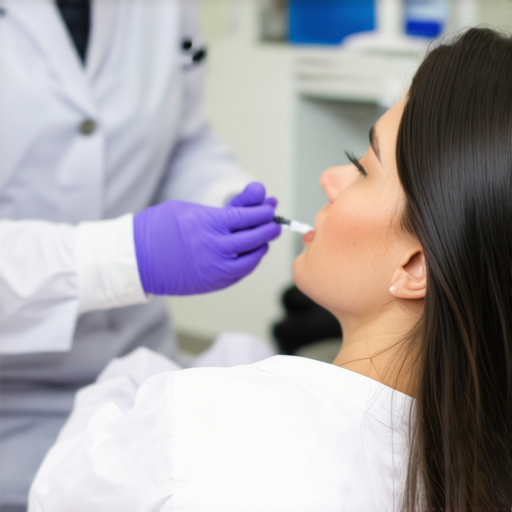

Disclaimer: This analysis provides educational insights into metabolic health and aesthetic medicine. Consult with a qualified medical professional before initiating any injectable treatments or high-intensity performance protocols. Individual biological responses to neuromodulators and dermal fillers vary based on systemic inflammation levels and genetic expression.
The structural failure of the dermal facade
I spend my days staring at blueprints where every millimeter of tension is calculated. The human face is no different. It is a biological structure under constant load. We ignore the hairline fractures until the entire facade begins to sag under the weight of repetitive motion. In the context of performance health, those deep forehead creases are not just signs of age. They are mechanical stress markers. When you squint against the Florida sun while running along Bayshore Boulevard, you are engaging in a high-frequency fatigue test of your skin integrity. Most people wait for the structure to fail before seeking a repair. This is a mistake. I see it as a maintenance issue. The smell of pencil lead on a drafting table reminds me that precision matters more than volume. If the joists are failing, you do not just apply a fresh coat of paint. You reinforce the foundation. This is why waiting for wrinkles is a mistake for South Tampa patients who understand that preventative measures are cheaper than total reconstruction. The Editor’s Take is simple. Functional longevity requires the early intervention of facial mechanics to prevent permanent dermal scarring. We are moving beyond vanity into the logic of biological engineering.
Microscopic mechanics of the fibroblast response
To understand why the skin folds, we must look at the cellular scaffolding. Fibroblasts are the architects of your dermis. They synthesize collagen and elastin, the primary load-bearing proteins of the skin. As we age, the metabolic rate of these cells slows. ATP production within the mitochondria of the skin cells begins to sputter like an old generator. This leads to a decrease in the structural density of the extracellular matrix. When the frontalis muscle contracts, it pulls the skin into a fold. In a young, high-performing system, the skin snaps back. The elastic recoil is high. However, chronic exposure to ultraviolet radiation and systemic cortisol from high-stress careers in South Tampa degrades this recoil. The result is a permanent crevasse. We can observe this through biometric mapping. The depth of a crease is directly proportional to the cumulative force of the muscle versus the tensile strength of the collagen. By using neuromodulators, we are essentially installing a temporary governor on an engine that is redlining. This allows the fibroblast population to catch up with repair work. Professionals often seek botox for forehead creases to halt this mechanical degradation before the tissue undergoes permanent remodeling.
Clinical Reading List
- What actually happens to deep wrinkles after six months of consistent treatment
- Dr. Hermanns secret to fixing forehead lines while keeping natural movement
- The executive brow softening heavy frown lines while keeping your professional edge
- Beyond the surface how to refresh your face without invasive surgery
The environmental load of the South Tampa lifestyle
Geography dictates the wear and tear on a structure. In Tampa, we deal with a specific set of environmental stressors. The humidity is a constant factor. The salt air from the bay acts as a mild corrosive to the skin barrier. High-performing individuals here are often outdoors. They are golfing at Old Memorial or dining in Hyde Park. This means their facial muscles are constantly working to compensate for the glare. The metabolic cost of this constant muscle recruitment is high. It drains local glucose stores and increases oxidative stress. I notice the architectural shift in the faces of those who ignore these factors. Their brows drop. Their expressions become fixed in a permanent scowl. This is not just an aesthetic issue. It affects social signaling and professional presence. Using strategic injections allows for fixing deep forehead creases without losing your expressive look, which is essential for negotiations. You want the structure to be stable but not rigid. A building that cannot sway in the wind will snap. A face that cannot move looks like a cheap plastic model. We aim for the balance of a well-engineered skyscraper.
Why the standard skincare playbook fails the stress test
The wellness industry wants you to believe that a fifty dollar cream will fix a structural collapse. This is like trying to fix a cracked foundation with a bucket of spackle. It is illogical. Topical serums cannot penetrate deep enough to influence the muscle-to-skin junction. They might hydrate the top layer, but they do not address the mechanical pull of the underlying musculature. I have seen countless people waste thousands on expensive skincare while their deep lines only grow deeper. The reality of 2026 is that we have the tools to address the root cause. Skincare alone cannot reverse deeply set facial lines because it lacks the delivery mechanism to reach the target. We need a medical approach to manage the tension. Think of it as adjusting the tension on a suspension bridge. If the cables are too tight, the deck buckles. If we relax the cables just enough, the deck flattens. This is the logic behind moving beyond creams for deep forehead lines. It is about physics and biology, not marketing fluff.
Old school discipline versus the 2026 biohacking reality
In the 1920s, physical culture was about raw grit. Today, it is about data and precision. We no longer guess. We measure. The modern executive uses every tool available to maintain their edge. This includes managing the outward signs of stress. A tired face suggests a tired mind. In the competitive landscape of South Tampa, looking sharp is a liability management strategy. I see men increasingly heading to the clinic for botox for a competitive edge. They understand that a rested appearance translates to perceived competence. It is the same reason you maintain the facade of a commercial building. It signals value.
Frequently Asked Questions
What is the best age to start preventative maintenance?
There is no universal number, but the best age to start botox is usually when you first notice lines that remain visible even when your face is at rest. This indicates the skin is losing its structural memory.
Can you fix deep lines without looking frozen?
Yes. By mapping the specific muscle attachments, an expert can provide botox results that look natural. We want to reduce the peak load on the skin, not stop the movement entirely.
Why do some people need fillers instead of botox?
If the crease is a result of volume loss rather than muscle pull, fillers are the appropriate material. Often, dermal fillers fix the deep lines that neuromodulators cannot touch by providing a new physical substrate under the skin.
How long do these structural repairs last?
Most neuromodulators last between three to four months. The metabolic rate of the individual and their activity level will dictate the timeline. High-performance athletes may find they burn through the treatment faster.
Is the procedure painful?
It is a minor discomfort, like a pinprick. The architectural integrity of the face is worth a few seconds of pressure. Most people return to their office immediately.
The future of facial structural management
The goal is not to look twenty forever. The goal is to ensure the structure ages with dignity and remains functional. We are moving toward a world where biological maintenance is as routine as a dental cleaning. I look at the face and I see the potential for a long, stable life. If we manage the micro-stresses today, we avoid the catastrophic failures of tomorrow. It is time to treat your body with the same respect you give your professional projects. Precision, timing, and the right materials will always win. If you are ready to stabilize your own dermal facade, consider a botox consultation in Tampa to assess the current state of your structural health. The blueprint for your future is in your hands.