
Disclaimer: This article is for informational purposes only and does not substitute for professional medical advice, diagnosis, or clinical consultation. Always consult with a licensed healthcare practitioner before undergoing any cosmetic or metabolic treatments.
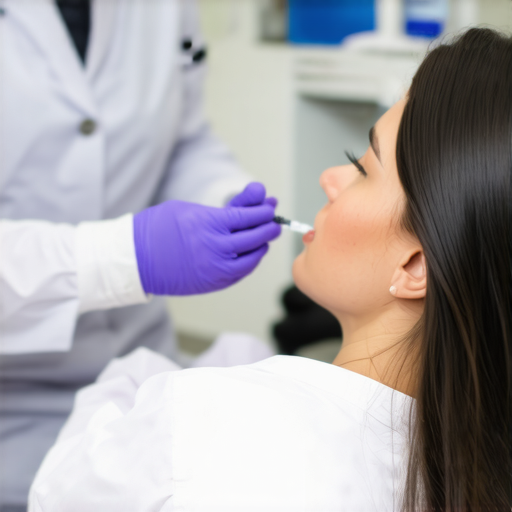
The sharp smell of sterile alcohol swabs and the rhythmic hum of the air purification system in a quiet clinical suite can instantly focus the mind. For women navigating their thirties, the first appearance of static facial creases is often an unexpected metabolic milestone. To prevent early wrinkles from becoming permanent dermal scars, strategic preventative neuromodulator treatments can relax target muscles before deep creases set in. Biometric mapping reveals that early intervention preserves natural expression while maintaining dermal integrity under constant mechanical stress. It is not about chasing an artificial standard of perfection, but rather understanding how repetitive muscle contractions degrade the structural scaffolding of the skin over time.
The cellular micro-mechanics of dermal degradation
To understand why dynamic lines become permanent static creases, we must zoom in to the cellular junctions of the face. Every smile, squint, and furrow is driven by the release of acetylcholine at the neuromuscular junction. This neurotransmitter binds to receptors on the muscle fiber, triggering a cascade that slides actin and myosin filaments past one another. In our twenties, the overlying extracellular matrix is dense with Type I and Type III collagen, supported by a rich network of elastin fibers and moisture-binding glycosaminoglycans. As we pass thirty, the dermal fibroblasts that synthesize these structural proteins slow their production by approximately one percent annually.
When repetitive muscular contractions constantly fold this thinning dermis, the mechanical strain causes micro-fractures in the collagen network. Over time, the fibroblasts in the crease zone are subjected to chronic compression, which alters their gene expression. Instead of rebuilding healthy matrix components, they begin secreting matrix metalloproteinases, which are enzymes that actively break down remaining collagen fibers. This localized enzymatic destruction is what transforms a temporary movement line into a permanent static wrinkle. By introducing a neuromodulator like botulinum toxin type A, we temporarily block the SNAP-25 protein complex, preventing the vesicle fusion that releases acetylcholine. Without the constant microscopic tugging of the muscle, the skin over the target zone is granted a therapeutic window to repair its underlying matrix.
Clinical Reading List
- To explore why early cosmetic interventions are shifting toward natural expressions, read about how first-time patients in South Tampa are trading frozen foreheads for soft movement.
- To understand the science behind early wrinkle prevention, explore the fine-line fix and softening early wrinkles before they become permanent.
- To assess whether your skin is currently showing the structural signs of early aging, take the fine-line test to know if you are ready for preventative injections.
The local environment and regional dermal stress factors
In regions characterized by high ultraviolet exposure, such as South Tampa, the biological aging process of the skin is significantly accelerated. Chronic solar radiation triggers the photolysis of dermal components and generates reactive oxygen species that damage cellular DNA. This environmental stressor compound with natural aging, making preventative interventions even more critical for those who spend time outdoors. Whether you are running along Bayshore Boulevard or dining at Hyde Park Village, the combination of squinting against the intense Florida sun and humidity-induced dehydration accelerates forehead and glabella creasing. This is why many women over thirty seek specialized care at local institutions like the Hermann Wellness Clinic to address these early signs of sun-induced aging.
Furthermore, the high salt content in the air near Davis Islands can dry out the epidermal barrier, reducing its elasticity and making the skin more susceptible to mechanical folding. This local environmental context requires a highly customized approach to facial rejuvenation. Rather than applying a generic, one-size-fits-all injection pattern, experienced injectors must analyze the patient’s specific facial anatomy and lifestyle habits. This level of precise anatomical assessment is what ensures natural-looking results that do not compromise the subtle expressions that make each face unique.
Why standard skincare protocols fail to stop deep creases
A common misconception in the beauty industry is that high-end topical creams, serums, and retinoids can fully reverse or prevent expression lines. While topical ingredients can improve epidermal hydration and stimulate superficial cell turnover, they operate exclusively on the outer layers of the skin. They cannot penetrate deep enough to alter the muscle contractions that are the root cause of dynamic wrinkles. Relying solely on skincare to treat deep-seated expression lines is like trying to fix a foundation crack in a house by applying a fresh coat of paint to the exterior siding.
In contrast, targeted injections address the underlying muscular architecture. By precisely relaxing specific facial muscles, such as the corrugator supercilii or the procerus, neuromodulators stop the folding process at its source. This structural approach explains why targeted injections outperform high-end skincare for aging skin when the goal is restoring true dermal elasticity. For patients seeking comprehensive facial rejuvenation, combining muscle relaxation with volumetric support is often the most effective path forward. To understand how these two modalities work in tandem, you can explore the ongoing medical discussion around botox or fillers and how we decide which one actually fixes your wrinkles based on your unique anatomy.
The evolution of preventative treatments in 2026
The cosmetic landscape of 2026 has completely rejected the over-frozen, unnatural aesthetic of previous decades. Today, the focus is entirely on subtle, preventative adjustments that preserve the natural movement of the face. This shift is particularly evident in how younger demographics approach self-care. Many women in their thirties are opting for micro-dosing techniques, often referred to as baby botox, which utilize lower doses of neuromodulators to soften muscle contractions without completely paralyzing them. This trend is detailed in the clinical overview of why women in their 30s are moving toward baby botox early to maintain their natural expressions.
Selecting the right treatment also involves understanding the subtle differences between available neuromodulators. Patients often weigh the benefits of different formulations to achieve faster or more localized results. For a detailed breakdown of these options, refer to the guide on choosing between Botox and Dysport for faster results. Ultimately, the success of any preventative strategy depends on the skill and anatomical knowledge of the practitioner, ensuring that every injection is tailored to the individual’s unique facial dynamics.
Frequently asked questions about preventative facial treatments
At what age should I actually start preventative treatments?
There is no single chronological age that fits everyone. The ideal time to start is when you begin to notice faint lines that persist on your face even when your muscles are completely relaxed. This indicates that dynamic lines are transitioning into static creases, making it the perfect window for preventative intervention.
Will my face look frozen or unnatural if I start treatments in my thirties?
Not when the treatment is performed by a highly trained injector who understands facial anatomy. Modern injection techniques focus on reducing the strength of muscle contractions rather than eliminating all movement, allowing you to maintain full expressive capability while protecting your skin.
How do I choose between neuromodulators and dermal fillers?
Neuromodulators work by relaxing the muscles that cause expression lines, making them ideal for the forehead, between the eyebrows, and around the eyes. Dermal fillers, on the other hand, are used to restore lost volume in areas like the cheeks or lips. For a comprehensive comparison, see the guide on Botox or fillers and how to decide which solution actually fixes your main concern.
Are there any specific risks associated with cheap cosmetic treatments?
Yes, settling for discounted treatments often means compromising on injector skill, product dilution, or safety standards. Investing in an experienced practitioner is essential to avoid complications and unnatural results, as detailed in the analysis of why settling for cheap Botox in South Tampa usually costs more in the long run.
Maintaining long-term skin health and structural integrity
Taking a proactive approach to your skin’s structural health in your thirties is one of the most effective ways to ensure a refreshed, youthful appearance for decades to come. By combining precise, preventative neuromodulator treatments with robust environmental protection, you can stay ahead of the natural aging process. The goal is not to stop expressing emotion, but to protect the underlying dermal scaffold from the cumulative wear and tear of daily mechanical stress. Partnering with a skilled injector who respects your natural facial dynamics is the key to achieving subtle, elegant results that stand the test of time.
1 thought on “Preventative Botox for Women Over 30: How to Target Fine Lines Before They Set In”