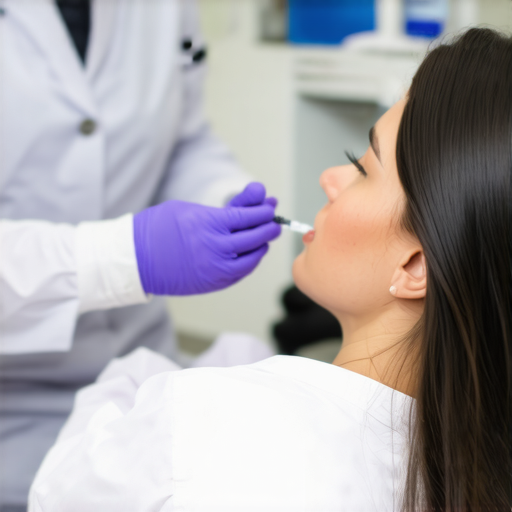

Disclaimer: The following clinical analysis is provided strictly for informational and educational purposes. Botulinum toxin type A injections for medical or cosmetic purposes carry inherent risks, including localized bruising, transient muscle weakness, and rare systemic effects. Always consult a board-certified physician or licensed medical professional before undergoing neurotoxin treatments.
The Quiet Architecture of Neuromuscular Stress
Smell the sharp scent of pencil lead scraping across heavy bond paper. Listen to the steady, rhythmic ticking of a brass desk clock sitting near an open window on Bayshore Boulevard. My daily routine as a structural analyst of human movement involves measuring how physical tension ruins fine mechanics. When a client sits in my chair complaining of relentless pounding behind their temples, I do not see a simple headache. I see a load-bearing structure failing under prolonged torque. The constant hum of Tampa traffic combined with intense humidity creates a unique metabolic strain. For individuals living with chronic migraine episodes, every bright afternoon along the Hillsborough River becomes an exercise in sensory overload. Botulinum toxin type A has shifted from a pure cosmetic tool into an anatomical release valve. By interrupting the peripheral nerve signals that trigger central sensitization, precise neurotoxin micro-injections relax the hyperactive muscular joists of the head and neck. This clinical intervention gives patients back their daily focus, turning a structural collapse into a stable, well-supported frame.
Anatomical Precision in Neurotoxin Delivery
To understand why this strategy works, we must zoom in on the microscopic junction where motor nerves meet skeletal muscle fibers. Botulinum toxin acts directly at the presynaptic membrane of the neuromuscular junction. It targets the SNARE protein complex, specifically cleaving SNAP-25. This enzymatic cleavage prevents acetylcholine vesicles from fusing with the cell membrane, effectively blocking the release of the neurotransmitter into the synaptic cleft. Without acetylcholine, the postsynaptic muscle fiber receives no signal to contract. When treating severe neurological head pain, this blockage stops the cascading release of calcitonin gene-related peptide and substance P, two major inflammatory neuropeptides responsible for amplifying pain signals to the brain. The physical tension in the procerus, corrugator supercilii, and occipitofrontalis muscles dissolves. The same physiological mechanism smooths dynamic surface wrinkles. When a patient schedules a botox consultation tampa, a skilled clinician maps these precise muscle vectors rather than blindly injecting units into skin folds.
Mapping the Microscopic Path of Muscle Contraction
Let us look closer at the cross-bridge cycle within a single muscle sarcomere. When you squint against the intense Florida sun, your corrugator muscles pull inward and downward. Inside those fibers, actin and myosin filaments slide past each other, bound together by calcium ions releasing from the sarcoplasmic reticulum. Repeated contraction leaves these hyper-toned muscle bands in a state of semi-permanent contraction. Over time, this dynamic force causes deep dermal creasing. Treating these areas requires an understanding of depth and dosage. The approach for smoothing severe brow furrows differs completely from treating faint lines around the eyes. Injecting too deep into the lateral orbicularis oculi can affect adjacent zygomatic muscles, leading to an unwanted drop in the cheek line. Conversely, placing the solution too shallowly yields brief, inefficient results. High-precision clinical protocols target the exact muscular belly to ensure long-term stability without compromising natural facial expressions.
Clinical Reading List
- Why Finding the Best Botox Near South Tampa Requires Spotting These 5 Red Flags
- Why Chronic Migraine Patients Are Swapping Pills for Precise Injections
- Those Tiny Nose Wrinkles: A Simple Fix for Botox Bunny Lines
- How to Soften Crow’s Feet While Keeping Your Natural Smile
- Smoothing Out the Orange Peel Texture on Your Chin
The Local Climate Strain on Tampa Residents
Living in South Tampa presents specific environmental challenges to facial aesthetics and muscle health. The intense UV index along Davis Islands accelerates collagen degradation through the activation of matrix metalloproteinases. These enzymes break down the structural collagen matrix in the dermis, making the skin thinner and more susceptible to deep creasing from underlying muscle movement. Furthermore, the persistent heat forces frequent squinting, creating hyperactive muscle memory around the orbital rim. Local professionals who walk through Hyde Park or take evening runs near Ballast Point frequently experience a combination of sun-induced facial tension and dehydration-related headaches. Addressing these concerns locally requires a comprehensive strategy. Utilizing targeted treatments at a reputable med spa south tampa helps reinforce the skin’s structural integrity while reducing constant mechanical strain caused by environmental factors.
Targeting Distinct Facial Zones with Precision
Every area of the upper and lower face presents unique structural demands. Addressing vertical lines between the eyebrows requires localized injections into the corrugator and procerus muscles. This relaxes the strong medial pull that creates deep vertical creases. When patients ask about managing fine nasal folds, treating botox for bunny lines involves shallow injections into the nasalis muscle to prevent crinkling during laughter or speech. For lateral orbital lines, utilizing botox for crow’s feet softens the radiating lines formed by the outer ring of the orbicularis oculi. Moving down the face, addressing mentalis hyperactivity using botox for chin dimpling relaxes the upward pressure on the chin pad, smoothing out uneven, cobblestone surface textures without affecting speech or mastication.
The Flaws of Over-Simplifying Aesthetic Protocols
Standard commercial advice often treats neurotoxin injections like a static, paint-by-numbers exercise. Popular culture promotes the idea that a fixed number of units applied to identical grid points works for every individual. This blanket approach completely ignores variations in muscle mass, bone structure, and regional skin thickness. A male patient with heavy frontal musculature requires a significantly higher unit density and deeper muscular placement than a female patient with fine skin and low muscle tone. Relying on rigid templates leads to poor aesthetic outcomes, such as heavy brows, asymmetrical smiles, or frozen, expressionless faces. Muscle function is dynamic and interconnected. Softening one area without considering the opposing muscle groups disrupts the natural balance of facial expression. Modern clinical practice demands an individualized anatomical assessment that evaluates how muscles pull against one another during rest and active motion.
Evolving Standards from Legacy Practices to Modern Care
Fifteen years ago, aesthetic medicine focused heavily on absolute muscle immobilization. The goal was to completely freeze facial movement, which often resulted in an artificial, shiny appearance. Modern protocols prioritize subtlety and functional movement. Today, clinicians use micro-dosing strategies to retain natural expression while reducing hyper-functional creasing. Patients searching for non surgical ways to look younger often combine strategic neurotoxin placement with dermal therapies to support both skin elasticity and muscle relaxation. Finding an experienced provider for botox near south tampa ensures that treatments are customized based on real-time anatomical feedback rather than outdated, heavy-handed techniques.
Frequently Asked Questions
How long does it take for neurotoxin treatments to show full results?
Initial muscle relaxation typically begins within 3 to 5 days following injection. The full therapeutic and aesthetic effects peak between 10 and 14 days as the SNARE protein cleavage fully inhibits acetylcholine release across all targeted synapses.
Will treating brow lines prevent me from showing normal expressions?
When performed by an experienced practitioner who respects underlying muscular anatomy, treatments target specific hyperactive fibers while preserving adjacent stabilizer muscles. This allows for natural facial movement without deep creasing.
How does neurotoxin therapy help relieve chronic migraine pain?
By blocking the release of inflammatory neurotransmitters like CGRP at peripheral nerve endings in the head and neck, injections prevent these pain signals from reaching the central nervous system, reducing headache frequency and intensity.
Can neurotoxin injections be combined with other facial treatments?
Yes, combining neurotoxins with dermal fillers, chemical peels, or microneedling provides a comprehensive approach to anti-aging by addressing both dynamic muscle movement and static skin texture.
What should I avoid doing immediately after a treatment session?
Patients should avoid lying flat, rubbing the treated areas, or engaging in strenuous exercise for at least 4 to 6 hours post-injection to prevent the solution from diffusing into non-targeted adjacent muscles.
Constructing Your Long-Term Maintenance Strategy
Maintaining facial harmony and preventing structural fatigue requires a long-term plan rather than sudden, reactive fixes. Smooth, natural results depend on maintaining a consistent treatment cadence that prevents hyperactive muscle fibers from fully regaining their pre-treatment strength. By scheduling routine evaluations every three to four months, you preserve the underlying dermal structure, keep fine surface lines at bay, and prevent muscle strain from converting into recurring tension headaches. Take control of your physical well-being and protect your daily comfort. Consult with a qualified medical specialist today to design a targeted, anatomical strategy tailored specifically to your unique facial structure and lifestyle needs.
I completely agree with the perspective on how the local Tampa climate and environmental factors contribute to physical tension. Walking around Hyde Park or dealing with the glaring sun near the water definitely makes you unconsciously squint and lock up those facial muscles, which almost always triggers a pounding temple ache by the afternoon. For years, I thought migraines were just something I had to manage with endless over-the-counter painkillers, but viewing it as a structural neuromuscular issue makes so much more sense. The explanation of targeting the precise muscle vectors rather than relying on a generic grid approach is spot on. I’ve always worried about treatments ending up with that frozen, expressionless look, so finding a practitioner who actually maps out individual muscle movement is crucial. Has anyone here made the switch from daily oral preventatives to precise neurotoxin injections, and if so, how long did it take for you to notice a sustained drop in your headache frequency?