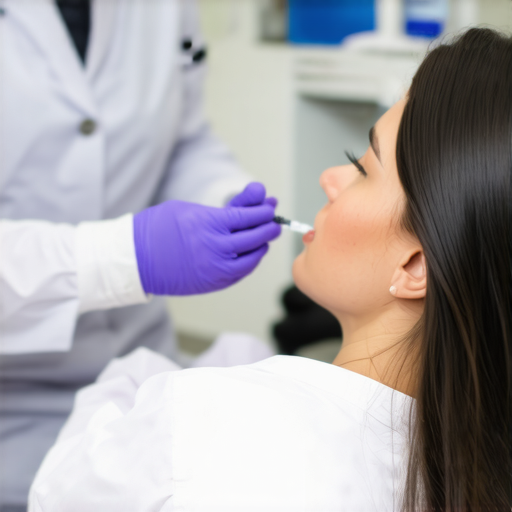

Medical Disclaimer and Clinical Assessment Overview
Disclaimer: This analysis provides educational evaluation of clinical aesthetics and structural facial dynamics. It does not constitute individual medical advice, diagnosis, or treatment plans. Patients considering neuromodulator or soft-tissue augmentation procedures must undergo a formal, in-person consultation with a licensed medical professional to evaluate vascular anatomy, medical history, and suitability.
In the quiet morning air near Bayshore Boulevard, the faint scent of damp earth and salt water settles over the brick sidewalks. The hum of early traffic along Bayshore marks another day where human physiology collides with environmental exposure. As an aesthetic clinical evaluator, I view the human face not as a canvas for trends, but as a dynamic structural framework subject to non-linear biological degradation. Soft tissue atrophy, progressive bone resorption, and repetitive micro-contractions of underlying facial muscles steadily alter structural symmetry over time. Evaluating medical spa services for safe anti-aging care requires looking past aggressive marketing, focusing instead on micro-anatomical precision, sterile protocols, and evidence-based facial preservation.
The Microscopic Mechanics of Dermal Degradation and Facial Aging
Observations from the clinic show that facial aging is primarily driven by three interrelated cellular mechanisms: structural extracellular matrix breakdown, muscular hypertonicity, and localized adipose compartment migration. Collagen type I and type III fibers provide the structural framework of the dermis. Beginning in the late twenties, endogenous fibroblasts reduce collagen synthesis by roughly one percent annually. This decline is accelerated by ultraviolet radiation exposure, which triggers matrix metalloproteinases that cleave existing structural proteins. Simultaneously, hyaluronic acid within the dermal ground substance degrades, leading to loss of turgor, diminished hydration, and deep tissue creases.
Below the dermis, superficial muscular aponeurotic system structures endure constant mechanical stress. Repetitive contractions of the corrugator supercilii, orbicularis oculi, and procerus muscles create localized shear forces against overlying skin. Over time, these dynamic expression lines transition into static structural grooves. For instance, addressing dynamic hypertonicity in upper facial zones often involves targeted neuromodulator placement. Patients evaluating their options can discover how first-time patients in South Tampa trade frozen foreheads for soft movement while preserving natural expression. Neuromodulators target the presynaptic release of acetylcholine at the neuromuscular junction, temporarily inhibiting motor endplate signal transmission without causing permanent tissue denervation.
Structural Deficits vs Dynamic Lines
A frequent error in aesthetic planning is failing to distinguish between dynamic muscle pull and volume depletion. Dynamic lines require precise muscle modulation. Deep structural hollows, such as midface deflation or temple recession, require deep periosteal volume restoration using cross-linked hyaluronic acid matrix structures. Selecting an improper modality can lead to over-filled, unnatural outcomes. Understanding how to choose between botox or filler for stubborn wrinkles remains crucial for achieving precise structural restoration.
Strategic anti-aging care focuses on structural facial restoration and anatomical precision in South Tampa.Clinical Reading List for Safe Aesthetic Evaluation
Review these critical resources to understand proper injector vetting, facial proportions, and procedure safety protocols:
- The South Tampa Med Spa Safety Checklist
- Evaluating an Injector During Your First Consultation
- What First-Time Patients Need to Know About Safety and Side Effects
- Why Dr. Anne Hermann Prioritizes Natural Expression
Regional Sub-Tropical Factors and Local Aesthetic Considerations
Biometric mapping reveals that living in coastal environments like Westchase, Hyde Park, and Davis Islands introduces specific micro-environmental factors that affect skin resilience. High ambient humidity combined with intense solar exposure accelerates superficial photo-damage, leading to premature breakdown of elastin networks within the dermal layer. Local professionals who spend hours outdoors near Ballast Point Park or cycling along the bayfront frequently display asymmetrical solar damage, particularly on the left side of the face due to driving exposure.
Furthermore, lifestyle dynamics in high-performance urban areas drive demand for subtle, non-surgical options that require zero extended downtime. Male patients, in particular, often seek subtle jawline definition or crow’s feet softening to remain competitive in corporate settings without looking unnatural. Detailed guidance on men’s botox options dispels common myths regarding masculine treatments, proving that accurate dosing maintains rugged, natural facial features while smoothing severe stress lines.
The Friction of Unregulated Aesthetic Trends and High-Volume Clinics
The rise of high-volume aesthetic chains and aggressive discount marketing has created systemic risks for patients. High-volume environments often rely on cookie-cutter dosing templates, ignoring individual variations in facial anatomy, muscular mass, and vascular pathways. Injecting neuromodulators or fillers into incorrect anatomical planes can result in vascular occlusion, ptosis, or asymmetrical tissue distortion.
For example, aggressive lip augmentation procedures often ignore the natural 1:1.618 golden ratio between upper and lower vermilion borders, causing tissue migration into the cutaneous lip. Patients seeking facial harmony benefit from studying why balancing proportions with subtle lip fillers outperforms dramatic pouts in every long-term clinical evaluation. Similarly, overly aggressive masseter muscle treatments for jaw slimming can inadvertently cause lower face sagging if the zygomaticus major muscle origin is compromised. Learning how masseter injections deliver effective jaw slimming results requires verifying that your provider understands facial biomechanics and deep fascia depth.
Legacy Modalities vs Modern Precision Aesthetics
Traditional surgical interventions historically relied on mechanical skin excision and aggressive tightening. While effective for severe skin laxity, surgical facelifts do not address cellular photo-damage, localized volume loss, or dynamic muscular hypertonicity. In contrast, modern 2026 aesthetic protocols prioritize multi-layered, preventative care designed to slow down structural breakdown before irreversible collapse occurs.
Comparing Legacy Aesthetic Approaches with Modern Protocols
Legacy Approach: High-stress surgical resections, high downtime, static tissue pulling, rigid appearance risks.
Modern Bio-Somatic Approach: Micro-dose neuromodulation, structural hyaluronic acid replacement, preventative dermal preservation, zero surgical downtime.
By combining targeted neuromodulation to calm overactive muscles with targeted hyaluronic acid placement, patients maintain authentic facial mobility while mitigating deep static creases. Research shows that preventative botox stops fine lines before they set in, preserving dermal integrity long before static wrinkles become permanent anatomical features.
Frequently Asked Clinical Questions
How do I know if I need neuromodulators or dermal fillers?
Neuromodulators target dynamic lines caused by repetitive muscular contractions, such as frown lines between the eyebrows or crow’s feet. Dermal fillers restore lost structural volume in static areas, such as sunken cheeks, nasolabial folds, or thinning lips.
What are the primary safety standards to look for in a medical spa?
Ensure the facility operates under direct medical supervision, uses FDA-approved products sourced directly from authorized manufacturers, maintains strict aseptic techniques, and conducts thorough pre-treatment health screenings.
When should preventative treatments begin?
Preventative care generally begins in the late twenties or early thirties when initial fine lines start to persist after muscular contraction, indicating the early degradation of dermal collagen and elastin networks.
How long do neuromodulator and filler treatments typically last?
Neuromodulators generally remain effective for three to four months, depending on individual metabolic rates. Cross-linked hyaluronic acid fillers typically last between six and eighteen months, depending on product density and placement depth.
What is the risk of getting an overfilled or frozen look?
An unnatural appearance is almost always the result of improper technique, excessive dosing, or poor anatomical evaluation. Seeking care from experienced clinicians who prioritize natural expression prevents over-treatment.
Achieving Long-Term Facial Preservation with Confidence
Navigating anti-aging choices requires moving past surface-level marketing to focus on medical expertise, micro-anatomical precision, and strict clinical protocols. Preserving natural facial harmony while counteracting environmental and chronologic aging is an ongoing, strategic process. Prioritize consultations with established medical reviewers and experienced injectors who understand your unique facial structure, ensuring that every treatment protects both your health and your natural appearance.