
Disclaimer: The information provided in this guide is for educational and illustrative purposes only. It is not intended to substitute for professional medical advice, diagnosis, or treatment. Always consult with a board-certified physician or qualified healthcare provider before initiating any new therapeutic, metabolic, or aesthetic regimen.
We have all seen the blueprints fail because of poor soil analysis, and the human body is no different. The scent of sharpened pencil lead and the rhythmic hum of a drafting table remind me that structural integrity is not accidental. The constant, dry draft of the office air conditioning pulls moisture from the dermis long before we notice the structural sagging in the mirror. Many active individuals treat their aging skin like a superficial cosmetic glitch, but the reality is a deep, load-bearing failure of the extracellular matrix. If your foundation is shifting, slapping a fresh coat of paint on the siding will not save the house. The bottom line is that true tissue restoration requires a dual-axis strategy: optimizing microscopic cellular energy while strategically utilizing modern, non-surgical structural interventions to support the physical framework.
The cellular math of dermal scaffolding
To understand why skin loses its youthful tension, we must look at the microscopic structural joists. The dermal layer is primarily composed of type I and type III collagen, interwoven with elastin fibers and embedded in a highly hydrated ground substance of glycosaminoglycans. This is your biological concrete and rebar. When we zoom into the fibroblasts, the specialized cells responsible for synthesizing these structural proteins, we find a complex, energy-dependent assembly line. Fibroblast activity is governed by the mammalian target of rapamycin pathway, which monitors cellular nutrient levels and energy status. Without sufficient adenosine triphosphate, which is generated by the mitochondrial electron transport chain, the transcription of pro-collagen genes drops precipitously.
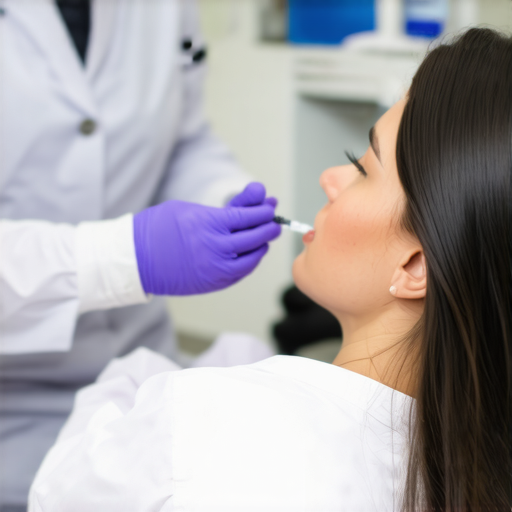
At the same time, chronic exposure to low-grade systemic inflammation activates matrix metalloproteinases. These are destructive enzymatic clean-up crews that break down existing collagen fibers faster than your body can rebuild them. It is a classic structural deficit. When the degradation rate of the extracellular matrix exceeds its synthesis rate, the structural integrity of the skin collapses, manifesting as deep folds and volume loss. This is why standard topical moisturizers fail to address deep-set structural creases. They are simply sitting on the roof without repairing the load-bearing beams below. For individuals seeking to restore these deep skeletal changes, clinical intervention is required. Understanding botox or fillers helps determine whether your tissue needs to relax its movement or physically rebuild its lost structural volume from the inside out.
To support this structural synthesis, your metabolic supply chain must deliver specific raw materials. Vitamin C acts as an obligate cofactor for the enzymes prolyl hydroxylase and lysyl hydroxylase, which stabilize the triple-helix structure of the collagen molecule. Without these enzymes, the collagen fibers produced are structurally weak and easily degraded. Additionally, bio-available copper is required for lysyl oxidase to cross-link elastin and collagen, creating a resilient network that can withstand mechanical shear stress. If your cellular blueprints lack these nutritional substrates, the structural integrity of your skin will inevitably degrade over time.
Clinical Reading List
- For an overview of non-invasive options, review the 5 anti-aging treatments Tampa locals use to avoid surgery.
- To understand how early intervention preserves your structural blueprint, read about preventative botox for women over 30.
- If you are analyzing the specific mechanics of volume restoration, explore why we choose filler over Botox to restore sunken cheeks.
Environmental stress and regional structural degradation
Observations from the clinic show that environmental stressors act as a constant shear force on our biological structures. In coastal regions like Florida, the high-intensity ultraviolet radiation works like a steady hammer on the dermal scaffolding. The ultraviolet rays generate reactive oxygen species that damage mitochondrial DNA within our cells, disrupting the oxidative phosphorylation pathway. This metabolic disruption leads to solar elastosis, where functional elastin fibers are replaced by abnormal, non-functional protein aggregates. This process degrades the skin’s natural elastic recoil, causing deep wrinkles to settle permanently.
Locals who spend their weekends running along Bayshore Boulevard or sailing near Davis Islands are exposed to a unique combination of high heat, salt spray, and intense sunlight. This environmental load accelerates the depletion of the skin’s natural antioxidant defenses, particularly glutathione and superoxide dismutase. When these internal defense mechanisms are overwhelmed, the rate of cellular aging spikes. To combat this localized environmental wear and tear, residents frequently seek targeted, non-surgical interventions. For example, many turn to preventative botox in Tampa to temporarily pause the repetitive muscle contractions that deepen sun-damaged skin lines, giving the extracellular matrix a chance to recover from the daily environmental assault.
The mechanics of muscle dynamics and structural tension
Skin aging is not merely a loss of volume, but also a result of repetitive mechanical stress. Every facial expression involves muscle groups pulling on the overlying skin, creating micro-creases that eventually set into permanent trenches. To address these dynamic wrinkles, we must modify the mechanical load. By utilizing purified neuromodulators, we can selectively downregulate the release of acetylcholine at the neuromuscular junction. This temporary decrease in muscle activity relieves the mechanical tension on the overlying dermis, allowing the fibroblast cells to repair the damaged extracellular matrix. For those starting early, understanding the fine line test can help determine when preventative steps are required to keep these dynamic creases from becoming permanent fixtures.
The structural failure of standard fitness dogma
Many traditional fitness routines focus solely on high-intensity workouts and caloric restriction, ignoring the systemic metabolic cost of these practices. When we force the body into a severe caloric deficit while demanding high physical output, we elevate systemic cortisol levels. Cortisol is inherently catabolic, meaning it breaks down complex structures into simpler molecules for quick energy. This catabolic state does not spare your skin’s collagen matrix. High cortisol levels inhibit fibroblast proliferation and accelerate the breakdown of structural proteins, leading to a thin, fragile dermal layer that is highly susceptible to premature aging.
Furthermore, the physical strain of heavy training can sometimes translate into facial expressions that accelerate dynamic wrinkling. Heavy lifts cause involuntary grimacing, which repeatedly creases the forehead, glabella, and periorbital regions. Over time, these expressions set into deep dynamic lines. Instead of relying on aggressive skincare routines that only address the surface, a more structural approach is needed. In many cases, opting for a targeted refreshed face look can help smooth out the structural strain of intense physical training without sacrificing natural expression.
Structural correction without losing functional mobility
When correcting these structural issues, the goal should always be balance and proper load distribution, not absolute immobility. Over-treating an area can lead to a frozen, unnatural appearance that looks like a poorly designed facade. For example, treating the forehead without considering the natural elevation of the brow can cause the eyebrows to drop, changing the overall facial balance. This is why selecting a skilled practitioner who respects facial anatomy is essential. Those interested in maintaining subtle, natural expressions often choose a natural expression with strategic injections to ensure that the structural repairs do not compromise the natural movement of the face.
Legacy training vs 2026 biohacking reality
The old-school approach to longevity relied heavily on superficial treatments, such as heavy chemical peels or invasive surgical pull-backs, which often ignored the underlying health of the cellular tissue. In 2026, the paradigm has shifted toward biological regeneration and precise, minimally invasive structural support. Rather than waiting for complete structural collapse to occur, modern protocols focus on maintaining the health of the fibroblast cells and strategically utilizing neuromodulators and dermal fillers to support the tissues before deep damage is done. By combining cellular health, proper nutrition, and subtle aesthetic interventions, we can maintain the structural integrity of our skin for decades.
Frequently Asked Questions
Does high-intensity training accelerate skin aging? Yes, chronic high-intensity training without adequate recovery can elevate cortisol levels, which breaks down the collagen and elastin fibers in the dermal matrix, leading to premature volume loss.
What is the difference between treating a fine line and a deep crease? Fine lines are typically superficial and can be addressed by stimulating cell turnover and light hydration. Deep creases represent a structural breakdown of the collagen scaffolding and often require dermal fillers to restore volume or neuromodulators to ease mechanical muscle tension.
How does sun exposure affect my preventative botox treatments? UV radiation causes cellular damage and inflammation, which can accelerate the breakdown of the skin’s structural proteins. While neuromodulators address muscle movement, they cannot repair UV-induced cellular damage, making daily sun protection a critical part of skin longevity.
Why should I choose subtle injections over dramatic changes? Dramatic changes can alter your natural facial proportions, leading to an artificial appearance. Subtle, strategic injections focus on restoring lost volume and relaxing hyperactive muscles while maintaining your natural expressions and facial architecture.
Building a resilient foundation
True longevity requires a deep appreciation for the load-bearing systems of the human body. By prioritizing mitochondrial health, managing systemic inflammation, and choosing precise, medically supervised aesthetic treatments, we can build a physical structure that resists the wear and tear of time and environment. Do not settle for quick, superficial fixes that ignore the structural reality of your tissues. To explore how targeted treatments can support your structural health, schedule an aesthetic assessment today to map out your long-term plan for tissue preservation and cellular vitality.