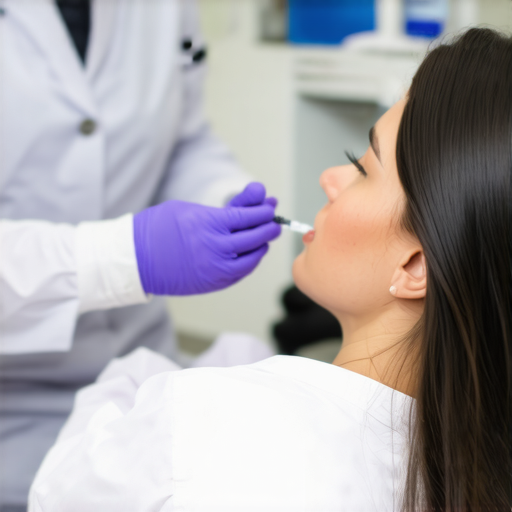

Act I: The Blueprint of Systemic Wear
Disclaimer: This analysis is for educational and informational purposes only. It does not constitute medical advice. Please consult with a qualified healthcare provider or a board-certified clinical specialist before initiating any therapeutic, metabolic, or aesthetic intervention.
The draftsmans desk smells of pencil lead and cold chicory coffee. Outside, the steady ticking of a grandfather clock measures the slow deformation of pine joists under historical load. A body is not a simple machine, it is a load-bearing structure subject to perpetual shear, tension, and compression. In the high-stakes world of human performance, we are taught to focus on superficial metrics while ignoring the deep structural degradation that happens at the foundations. True health is not about aesthetic symmetry alone, it is about systemic preservation. When the foundational structural integrity of our facial muscles and muscle-tendon units begins to buckle under the constant shear of stress and environmental exposure, we cannot simply paint over the cracks. We must repair the foundation. To look rested and structurally sound, one must understand how deep muscle tension and micro-mechanical wear alter our physiology from the bone up.
Clinical observations show that chronic mechanical tension in the facial muscles accelerates the breakdown of extracellular matrix collagen, leading to deep structural crevices that topical skincare cannot fix. Our goal is to analyze how targeted muscular relaxation and strategic volume restoration preserve the human frame. Let us examine the mechanics of structural maintenance before the foundation shifts permanently.
Act II: Microscopic Shear and the Cellular Blueprint
To understand the breakdown of structural tissue, we must zoom in on the microscopic mechanics of the cellular matrix. The facial musculature, unlike skeletal muscle attached to bone at both ends, inserts directly into the dermis. Every micro-contraction is a pulling force applied to the skin. Under the continuous, high-frequency stimulation of acetylcholine at the neuromuscular junction, the facial muscles enter a state of semi-permanent hypertonicity. This constant mechanical stress downregulates the synthesis of type I and type III collagen within the dermal fibroblasts. At the same time, mechanical strain triggers the upregulation of matrix metalloproteinases. These are destructive enzymes that chop through the structural scaffolding of the skin like rot through a support beam.
When a muscle stays hyperactive, the local capillary beds are compressed. This restriction of blood flow reduces oxygen delivery to the tissues, leading to localized cellular hypoxia. The cells cannot generate sufficient adenosine triphosphate through the mitochondrial Krebs cycle when oxygen is scarce. Instead, they shift toward anaerobic glycolysis, which increases local tissue acidity and triggers a low-grade inflammatory cascade. The resulting build-up of cellular waste products damages the delicate elastin fibers, leaving the skin unable to snap back after movement. To halt this structural degradation, we must selectively inhibit the release of acetylcholine. Relaxing the hyperactive muscle fibers allows the capillary beds to expand, restoring blood flow and giving the fibroblasts the oxygen and nutrients they need to rebuild the structural joists of the face. For those looking for an elegant solution to this mechanical wear, studying how to look rested without that tell-tale frozen look reveals the importance of keeping natural muscle movement while stopping the destructive micro-tension.
Clinical Reading List
- For details on selecting a qualified clinical specialist, review finding an injection expert how to vet botox clinics in south tampa.
- To understand how masculine anatomy influences structural treatment design, read does botox work for men here is how masculine anatomy changes the strategy.
- To learn how local professionals maintain their structural appearance under high-stress conditions, explore why local professionals travel to south tampa for their maintenance injections.
Act III: The Florida Climate and Local Structural Load
In South Tampa, the environment acts as an additional environmental load on our structural foundations. The intense Florida sun acts as an external accelerator of dermal degradation. Ultraviolet radiation triggers photo-aging by producing reactive oxygen species that run rampant through the cellular matrix. This environmental strain, combined with the squinting and frowning caused by the bright sun, creates a high-wear environment around the eyes and forehead. Biometric mapping reveals that individuals living in sunny coastal areas show deep-set expression lines much earlier than those in milder climates. Taking a walk along Bayshore Boulevard without proper ocular protection forces the orbicularis oculi muscle into a continuous, high-tension contraction. This mechanical strain, combined with solar elastosis, causes rapid structural collapse at the outer corners of the eyes.
To combat this regional structural wear, local professionals are turning to preventative structural treatments. Instead of waiting for deep crevices to form in the foundation, the modern strategy is to address the muscular tension early. For those starting this process, reading about botox for beginners how to plan your first appointment in tampa without the fear helps demystify the initial steps of structural maintenance. This approach protects the skin from the combined forces of mechanical squinting and solar breakdown, preserving the facial architecture against the elements.
Act IV: Why Generic Wellness Plans Fail the Foundation
The standard health industry often tells you that a clean diet and a expensive skincare routine will fix all signs of aging. This is a fundamental misunderstanding of structural engineering. You cannot fix a sagging roof by simply repainting the shingles. When deep structural volume is lost, or when chronic muscular tension has carved deep valleys into the tissue, topical treatments cannot reach the depth of the problem. Skincare products are restricted by the stratum corneum, the skin’s outermost protective barrier. They cannot alter the muscle contractions beneath, nor can they replace the lost fat pads in the cheeks that once supported the mid-face.
To truly restore structural integrity, we must use tools that target the correct structural layers. This is why clinical interventions are more efficient than heavy skincare routines. For example, exploring why strategic dermal fillers outperform heavy skincare routines for deep creases shows the difference between treating the surface and supporting the underlying frame. By relaxing hyperactive muscles and replacing deep volume loss, we address the root causes of structural wear, restoring the structural balance of the face without wasting resources on ineffective topical solutions.
Act V: Old School Mechanical Tension vs 2026 Structural Precision
In the past, facial rejuvenation was a drastic, invasive affair. Patients would undergo full-scale surgical pull-backs that often ignored the underlying muscle dynamics, resulting in an unnatural, tight appearance. In 2026, the strategy has shifted entirely toward micro-precision adjustments. We no longer want to freeze the entire face or overfill tissues until they lose their natural contours. Instead, the focus is on light, strategic neuromodulation and targeted volume replacement. This preserves the natural dynamics of facial expression while stopping the destructive micro-movements that cause permanent damage.
Frequently Asked Questions
How do I know if I need neuromodulation or dermal volume replacement?
Neuromodulators work by relaxing active muscles that cause lines during movement. Dermal fillers replace lost volume in areas that have hollowed out due to fat pad migration. A comprehensive consultation is needed to determine where your structural foundation needs support.
Is early preventative treatment effective for long-term facial structure?
Yes, starting subtle treatments early prevents deep lines from carving into the skin. This reduces the amount of intervention needed later in life to maintain a rested appearance.
How does masculine facial structure affect the treatment strategy?
Masculine anatomy has thicker muscle mass and distinct structural angles, especially along the jawline and brow. Treatments must be customized to preserve these masculine proportions while softening excess tension.
Why does the sun accelerate the need for these treatments?
Sun exposure breaks down the collagen and elastin fibers that keep the skin resilient. When this support structure is weakened, regular muscle movements damage the skin more easily, creating deeper lines.
What should I look for in a clinical injector?
Look for an experienced clinical professional who prioritizes facial anatomy and subtle, balanced proportions rather than cheap, quick fixes.
Act VI: Securing the Structural Future
A building does not stand by accident, it stands because of careful planning, solid foundations, and timely maintenance. The human face is no different. By addressing the deep muscular tension and structural volume loss that occur over time, you can protect your facial architecture from the wear and tear of daily stress and environmental exposure. Do not wait for the foundation to buckle. Take a proactive, structural approach to your health and appearance today.
Ready to evaluate your structural needs with a board-certified clinical expert? Schedule a professional, personalized assessment at Hermann Wellness in South Tampa to build a custom preservation plan for your face and body.