The architectural blueprint of the gaze
I sit here at a drafting table covered in graphite dust and the faint scent of pencil lead. My eyes feel heavy. I look at the blueprints for a new structure in Hyde Park and then I look in the mirror. The cracks are forming. In the architectural world, we call this fatigue. In the clinical world of high performance health, we call it the onset of dynamic wrinkles. This article provides an evidence based analysis of metabolic and mechanical facial aging. Readers must consult a qualified medical professional before undergoing any aesthetic procedure. Medical interventions carry risks including bruising, asymmetry, or localized muscle weakness. Observations from the clinic show that the facade is only as strong as the underlying foundation.
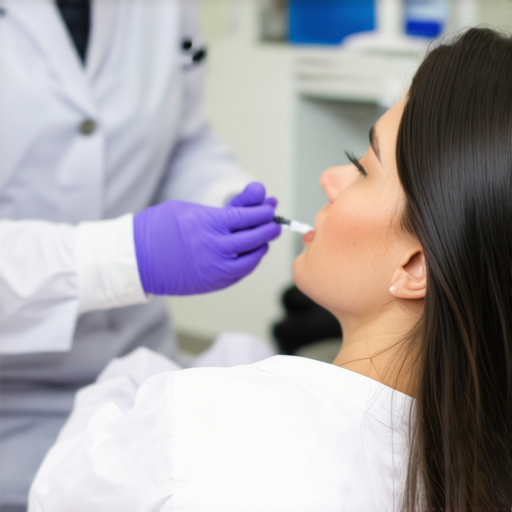
The BLUF is simple. Crow’s feet are not just skin issues. They are mechanical failures caused by the repetitive compression of the orbicularis oculi muscle against a thinning dermal matrix. Precision engineering via anti aging botox results provides a structural shim that prevents the collapse of the skin’s surface. We are not just painting over cracks. We are reinforcing the joists.
Clinical Reading List
- Why your anti aging routine is incomplete without targeted injections
- The strategic move starting injections before fine lines settle
- Finding your ideal volume a strategy for natural looking lips in south tampa
Cellular load bearing and the failure of the dermal matrix
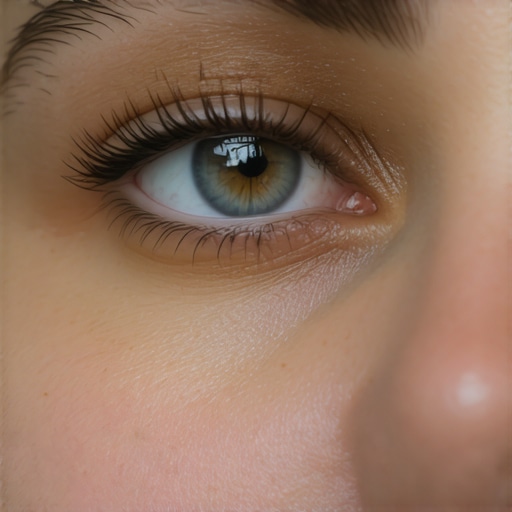
Zooming into the microscopic reality of the periorbital region reveals a complex interplay of forces. The skin here is the thinnest on the human body. It lacks the robust fatty tissue found in the cheeks. Below this thin layer lies the orbicularis oculi. This is a sphincter muscle. It works like a drawstring. Every time you squint against the South Tampa sun, this muscle contracts. The chemistry of this contraction involves the release of acetylcholine from the motor endplate. This neurotransmitter crosses the synaptic cleft and binds to receptors on the sarcolemma. This triggers a calcium influx. The muscle fibers slide. The skin above it buckles. This is repetitive stress. Over decades, the type I collagen fibers in the dermis begin to snap. They lose their tensile strength. The elastin fibers lose their recoil. When we look at what happens to your skin texture after 5 years of consistent botox, we see a preservation of these fibers because the mechanical stress has been removed. The toxin works by cleaving the SNAP-25 protein. This protein is the coupler required for the acetylcholine vesicle to fuse with the cell membrane. Without that fusion, there is no signal. The muscle remains in a state of relaxed tension. The structural load is lifted. The skin has time to remodel itself. This is metabolic zooming at its most pragmatic. We are halting a destructive mechanical cycle at the molecular level.
The South Tampa environmental stress test
Geography is a primary factor in structural decay. Here in South Tampa, we deal with a high UV index and relentless humidity. The sun acts as a corrosive agent on the skin’s extracellular matrix. It upregulates matrix metalloproteinases. These are enzymes that literally chew through your collagen scaffolding. If you spend your weekends walking through Hyde Park Village or jogging along Bayshore Boulevard, you are squinting. That squint is a constant load on the orbital rim. Biometric mapping reveals that individuals in sun heavy climates develop deeper lateral canthal lines five to ten years earlier than those in northern latitudes. This is why dr hermanns secret to fixing forehead lines involves understanding the specific local environment. A one size fits all approach fails because it ignores the regional stress factors. We see many patients seeking botox injections south tampa because they realize that sunblock alone is not a sufficient structural barrier against the mechanical force of the squint.
Clinical Reading List
- The non surgical brow lift opening up hooded eyes with strategic placement
- 7 questions to ask before choosing an aesthetics clinic in south tampa
- The real reason south tampa men are requesting brotox for a competitive edge
Why topical sealants fail to fix structural sagging
Most people treat their face like a weathered fence. They just keep adding layers of paint. Expensive serums and creams are essentially topical sealants. They can improve the surface hydration. They can temporarily swell the stratum corneum to hide fine lines. But they cannot stop the muscle from pulling. They cannot reach the motor endplate. When you have deep creases, you have a masonry problem, not a paint problem. This is why moving beyond creams is the only logical step for those interested in actual restoration. If the joist is warped, you don’t just sand the floorboards. You level the house. We also see this in the lower face. People complain about a gummy smile or jaw tension. These are mechanical issues. Using botox for tmj or botox for gummy smile addresses the source of the tension. It is about balancing the tension and compression within the facial structure. The same applies to botox for neck lines. If the platysmal bands are pulling down like heavy cables, no cream in the world will lift them back up.
The legacy of movement and the 2026 micro dose
In the old days of the 1990s, the goal was total immobilization. People wanted a face that didn’t move. That was bad engineering. It looked artificial. It looked like a plastic model. In 2026, the focus has shifted to micro dosing and preventative maintenance. We want the structure to be flexible but resilient. We are looking for botox south tampa results that preserve expression while preventing the permanent etching of lines. This is particularly important for the modern professional. Looking at botox for men tampa, we see a demand for maintaining a competitive edge without looking like they have had work done. It is about subtle shims. It is about keeping the professional edge sharp. If you wait until the lines are deep enough to hold a pencil lead, the repair is much harder. We suggest why 30 is the perfect age to begin the assessment of your facial architecture.
Structural Analysis FAQ
How long does the structural repair last? Typically, the effect on the muscle lasts three to four months. As the SNAP-25 proteins are slowly replaced by the cell, the signal returns. Maintenance is required to keep the lines from reforming.
Will I lose my ability to show emotion? Not if the dose is calculated correctly. A skilled architect of the face knows which muscles to relax and which to leave alone to ensure natural movement.
What is the cost of this maintenance? It varies based on the total units required. You should review is brotox worth the price for a detailed breakdown of the investment required for long term maintenance.
Does it hurt? Most patients describe it as a minor pinch. It is less painful than a paper cut. There is no downtime. You can return to your drafting table or office immediately.
Can it fix very deep wrinkles? If the wrinkles are deep and static, meaning they are there even when your face is at rest, you might need a combination of Botox and lip fillers westchase tampa or dermal fillers to fill the actual valley in the skin.
Sustaining the structural integrity of the facial frame
The final assessment is this. Your face is a biological structure subject to the same laws of physics as any building. Constant movement, environmental erosion, and time will degrade the facade. You can either wait for the collapse and try a catastrophic renovation later, or you can perform small, precise maintenance now. The choice is yours. If you want to see what a well maintained structure looks like, look at the results from hermann wellness clinic. They understand the engineering required for a natural, refreshed look. Don’t let the cracks widen. Fix the foundation today. Stop by and see how precision injections can serve as the ultimate structural support for your aging process.
This post offers a fascinating perspective on facial aging, framing it as a structural issue rather than just skin deep. I appreciate the analogy of the face as an architectural structure; it really helps to understand how repetitive muscle actions and environmental factors contribute to wrinkle formation. Having undergone a few micro-dosing treatments myself, I found that maintaining a balance between relaxation and natural movement is crucial, especially for professionals who want subtle enhancements without looking ‘done.’
One thing I wonder about is the long-term effects of repeated mini treatments—does the structure gradually regain its resilience over time, or is there a point where cumulative damage might make maintenance more challenging? Also, how do regional environmental factors, like UV exposure here in Southern California, influence the frequency or approach of such treatments? Would love to hear others’ experiences or thoughts on balancing these factors for optimal long-term aesthetic health.