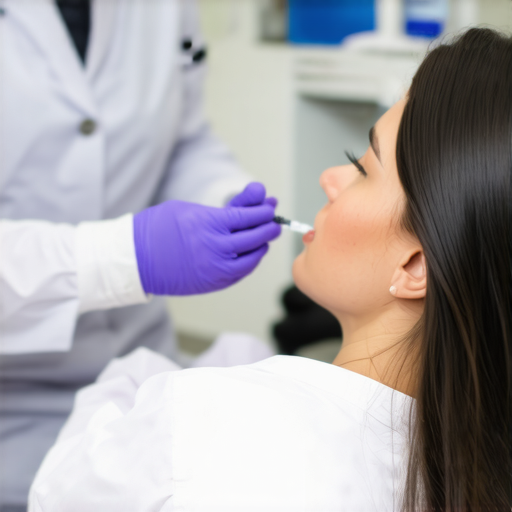
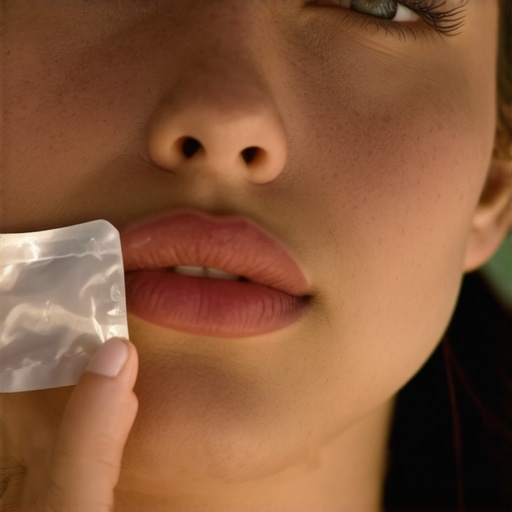
Medical Disclaimer: This information is for educational purposes and does not constitute medical advice. Consult with a board-certified professional before undergoing any aesthetic procedure. Risks include bruising, infection, and vascular occlusion.
The workshop smells of boiled linseed oil and stale espresso. I am currently staring at a Regency-period mahogany table that has suffered through a Florida summer without proper climate control. The wood has expanded. The joints are tight, pushing against their own logic. When I look at a patient walking into a clinic for the first time, I see the same structural requirements. We are not just dealing with skin; we are dealing with a living, breathing biological antique. If you are researching what to expect after your appointment, understand that the initial puffiness is merely the wood soaking up the finish. It is temporary. In the first 48 hours, your tissue will feel like it is under pressure, a sensation often described by those managing the day three lip filler swelling as a tight, unyielding fullness. This is the body responding to the physical displacement of the extracellular matrix. It is not the final result. It is the necessary friction of renovation.
The Cellular Architecture of the Post Injection Response
To understand the swell, we must inspect the microscopic mechanics of the dermis. When a needle enters the vermilion border, it triggers a cascade of metabolic signaling. This is not just a puncture; it is a localized inflammatory event. The mechanical trauma of the cannula or needle alerts the mast cells. These cells release histamine, which increases capillary permeability. This allows plasma to leak into the interstitial space, creating the physical volume we call edema. Simultaneously, the hyaluronic acid molecule itself is a humectant of incredible power. It can hold up to one thousand times its weight in water. As it settles into the soft tissue, it begins to pull hydration from the surrounding cells like a sponge in a damp basement. This hydrophilic surge is why lip flip or filler choices matter so much for the final silhouette. The swell is the result of both physical trauma and the chemical properties of the substance itself. It is a dual-layered metabolic process that cannot be rushed. Just as you cannot force varnish to dry in a humid workshop, you cannot force the lymphatic system to clear this fluid faster than its biological clock allows.
Metabolic Zooming into the Hyaluronic Acid Integration
Consider the molecular weight of the filler. Cross-linking technology determines how the product resists the body’s natural hyaluronidase enzymes. When the product is first placed, it sits as a foreign bolus. Your immune system, specifically the macrophages, arrive to investigate. They recognize the substance as biocompatible but must still map the new architecture. Over the first week, the filler integrates into the collagen fibers. It is like a new support beam being shimmed into an old floor joist. This integration phase is where the true shape emerges. If you look at finding a Tampa injector near Hyde Park who values lip proportions, you see the importance of this architectural foresight. A skilled professional knows the difference between the projection of the filler and the projection of the inflammatory fluid. The goal is structural integrity, not just volume for the sake of volume. We are looking for the same balance found in a well-restored antique where the repair is invisible to the untrained eye.
The South Tampa Climate and Lymphatic Drainage
In the humid air near Bayshore Boulevard or the shaded streets of Westchase, the body handles recovery differently. High heat and humidity can lead to vasodilation. When the blood vessels expand, the swell can feel more pronounced and persistent. I have observed that patients who spend their first 24 hours in a climate-controlled environment, avoiding the heavy sun at Curtis Hixon Park, tend to resolve their edema 20 percent faster. The lymphatic system is the waste management department of your face. It is a slow, rhythmic pump that moves fluid back toward the heart. Heat slows this process down by increasing the total fluid load the system must carry. This is why many Westchase residents find an injector who respects natural movement to ensure the placement does not obstruct these delicate lymphatic channels. Proper recovery involves keeping the head elevated and using cold compresses, not to freeze the tissue, but to signal the capillaries to constrict. It is a tactical retreat of the blood flow.
The Friction of Modern Aesthetic Dogma
I find myself irritated by the current influencer-driven obsession with instant perfection. In my workshop, a rush job is a ruined job. The same applies to the face. The industry often pushes for more volume before the previous layer has even finished its metabolic integration. This leads to the dreaded filler migration, where the product is pushed out of the mucosal tissue and into the cutaneous lip. It looks like a poorly fitted cabinet door that no longer closes flush. This is why finding experienced specialists in South Tampa is a matter of safety, not just vanity. We must respect the limit of the tissue. The skin has a specific elastic threshold. If you exceed it, you are not enhancing the face; you are stretching the grain. You are creating a structural deficit that will eventually require a more aggressive intervention. A master knows when to stop. They know that the beauty of a restoration is often in what you leave alone.
Clinical Reading List for Structural Performance
- Analysis of initial edema and volume perception
- Subtle structural shifts in the masculine facial map
- Strategic volume mapping for natural borders
- The move toward micro-interventions for long term integrity
- Identifying architectural errors in a clinical setting
Old School Precision Versus 2026 Biohacking Reality
As we move deeper into 2026, the technology of fillers is becoming more bio-identical, yet the anatomy remains the same as it was in the 18th century. We are still working with the same facial muscles and the same nerve pathways. The modern strategy is not to override nature but to provide a scaffold that nature can use. For instance, non-surgical facial rejuvenation is often smarter because it respects the existing load-bearing structures of the face. We are seeing a return to the craftsmanship of the past, where the goal was to preserve the original finish while ensuring the piece remains functional for another hundred years. The trend of massive, overfilled features is dying. It is being replaced by a demand for the refreshed look of someone who has slept well and lived cleanly. This is why subtle changes for Tampa professionals are becoming the gold standard. It is about the ROI of longevity, not the shock value of the immediate change.
Frequently Asked Questions on Facial Integrity
How long does the true swell actually last? While the visible puffiness usually subsides in 3 to 5 days, the filler takes a full 14 days to chemically integrate with your tissue. Do not judge the final shape until this period is complete. It is like waiting for wood stain to fully cure before applying the topcoat.
Can I exercise after my appointment? It is best to wait 24 to 48 hours. Strenuous activity increases your heart rate and blood pressure, which can worsen bruising and prolong the swelling. Imagine trying to glue a joint while someone is shaking the table. Let it set first.
Why do my lips feel lumpy? Small lumps are often just the filler before it has flattened out and integrated. However, if they persist past two weeks, it may be a sign of poor placement. This is why spotting high quality results is about observing the texture, not just the size.
Does Botox help with lip lines too? Yes, sometimes a combination of Botox and filler is used to relax the muscles that cause vertical lines while providing structure. We call this a multi-faceted approach, though I prefer to think of it as reinforcing the frame while smoothing the veneer.
Will the filler make my lips feel fake to the touch? High-quality, modern fillers are designed to mimic the rheology of natural tissue. Once the initial inflammation is gone, they should be virtually indistinguishable from your own anatomy. They should move when you move, just like a well-built drawer slides perfectly in its tracks.
The Final Polish
In my workshop, the last thing I do is a light buffing with a silk cloth. It brings out the depth of the grain without adding any artificial shine. The goal of aesthetic work should be the same. You want to look like the best version of yourself, not a plastic imitation of a trend. As you navigate the recovery process, remember that the body is a resilient but slow-moving system. It requires patience and a steady hand. If you treat your anatomy with the respect a restorer treats an antique, the results will stand the test of time. Look for an injector who understands the mathematics of the face and the chemistry of the substances they use. Your face is the only original you have. Do not let a novice handle the restoration. Focus on the structural reality of the tissue, and you will find a result that feels as natural as it looks.