
The Science of Facial Balance and Structural Aesthetics in Tampa
Disclaimer: This article provides information based on medical aesthetics and clinical protocols for informational purposes. It is not personal medical advice. Consult a licensed physician before undergoing any minimally invasive cosmetic procedure.
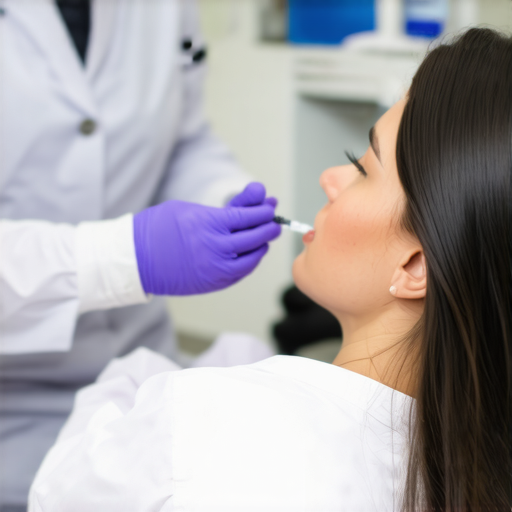
The air in a clinical room smells faintly of medical-grade antiseptic and fresh paper rolls. A soft hum comes from the cooling systems. Achieving facial balance through aesthetic treatments is fundamentally an engineering challenge. The human face functions as a dynamic system of fat pads, bone structure, and muscular leverage. When individuals seek out lip fillers in Tampa, they often misdiagnose their structural requirements. They look closely at the vermilion border while ignoring the foundation of the lower third of the face. True facial balance requires assessing bone reabsorption rates, the structural density of cross-linked hyaluronic acid, and how muscle movements pull on soft tissue under the intense sun of Bayshore Boulevard.
Observations from the clinic show that most aesthetic failures come from treating lines in isolation instead of looking at overall volume. Biometric mapping reveals that adding volume to the lips without addressing chin retraction or jawline loss creates a misaligned profile. In 2026, the modern approach to facial rejuvenation relies on anatomical precision, micro-dosing, and preserving natural movement.
Clinical Reading List
- The South Tampa Checklist for Identifying High-Quality Botox Results
- Why Davis Islands Residents Prefer Discreet Aesthetic Results
- Why Dr. Anne Hermann Focuses on Facial Anatomy Before Picking Up a Syringe
Physiological Mechanics of Hyaluronic Acid and Neuromodulators
Understanding how dermal fillers and neuromodulators work requires examining micro-level tissue interactions. Hyaluronic acid (HA) is a natural glycosaminoglycan in the extracellular matrix. Its primary function is maintaining structural space and hydration by drawing water molecules. Synthetic HA gels are engineered through chemical cross-linking with agents like 1,4-butanediol diglycidyl ether (BDDE). This process turns liquid hyaluronan into a matrix that resists enzymatic degradation by native hyaluronidase.
When injected deep near the periosteum or into the subcutaneous fat pads, the gel acts as a scaffolding agent. Rheological properties, specifically G-prime (elastic modulus) and cohesivity, dictate how the product behaves under stress. A high G-prime filler provides firm support suitable for augmenting the chin or restoring lost cheek volume. Conversely, a lower G-prime gel integrates smoothly into dynamic zones like the lips without feeling stiff or forming lumps.
Botulinum toxin Type A works through a completely different biological pathway. It targets the neuromuscular junction by cleaving SNAP-25, a protein essential for acetylcholine release. Without acetylcholine binding to muscle receptors, muscle contraction is temporarily blocked. This relaxes dynamic expressions that create deep lines, such as crow’s feet or forehead creases, allowing the overlying skin to smooth out over time.
The Local Environmental Stressors of Hillsborough County
Environmental factors in Tampa Bay directly affect how long aesthetic treatments last and how skin ages. Year-round exposure to ultraviolet radiation accelerates photoaging by producing reactive oxygen species (ROS). These free radicals break down native collagen and degrade synthetic hyaluronic acid matrices faster than in cooler climates.
Humidity levels along Davis Islands and Hyde Park also alter the skin barrier’s transepidermal water loss rates. Patients running along the humid Riverwalk often experience systemic vascular changes from heat exposure, which can speed up local metabolic clearing of neuromodulators. A well-designed aesthetic plan takes these climate factors into account. This often includes recommending daily broad-spectrum sun protection alongside targeted treatments for subtle brow lifts or smooth skin contours.
Men across South Tampa face unique structural considerations. Male facial anatomy features thicker dermis, stronger muscle mass, and distinct bony landmarks. Applying standard injection patterns to a male jawline or forehead often produces unnatural results. Male patients usually require higher units of neuromodulator placed into specific points to maintain a strong, natural appearance while softening deep creases.
Clinical Reading List
- Men’s Botox in Tampa: Dispelling Myths About Masculine Treatments
- Finding a Local Injector Who Understands the Male Facial Structure
- Protecting Your Skin: Why Tampa’s Sun Makes Preventative Botox a Necessity
Common Pitfalls in Facial Rejuvenation Strategies
A frequent mistake in non-surgical aesthetics is relying solely on volume to solve structural sagging. Over-filling cheeks or lips without treating underlying muscle pull or skin laxity leads to a heavy, artificial look. For example, placing dense filler into deeply set smile lines can create unnatural bulges if the real issue is cheek volume loss pulling the midface downward.
Similarly, treating forehead lines without analyzing the strength of the frontalis muscle can cause heavy eyelids. If a patient relies on their frontalis to lift hooded brows, freezing that muscle completely will lower the brow line. A skilled injector assesses these dynamic balances first, choosing to soften lines while preserving essential facial movements.
Modern Aesthetic Protocols versus Legacy Methods
In the past, cosmetic treatments often relied on heavy-handed approaches that over-paralyzed muscles or over-filled tissues. Modern techniques focus on subtle, cumulative improvements. Micro-dosing, precisely targeted anatomical layers, and combining modalities yield longer-lasting, natural-looking results.
Frequently Asked Questions
How do I know if I need dermal filler or a neuromodulator?
Neuromodulators address dynamic wrinkles caused by muscle movements, such as crow’s feet or frown lines. Dermal fillers restore lost volume or enhance structural contours in areas like the lips, cheeks, and jawline.
What causes lip fillers to look unnatural?
Unnatural results usually happen when too much product is placed at once, or when the chosen filler has an incorrect flexibility profile for dynamic lip tissue. Over-filling past the natural border also creates a puffy appearance.
How long do subtle aesthetic treatments typically last in warm climates?
Neuromodulators generally stay effective for three to four months. Dermal fillers last anywhere from six to eighteen months depending on the formula, placement depth, and individual metabolic rate.
Can men receive these treatments without losing masculine facial features?
Yes. Treatments tailored for men take into account flatter brow positions, stronger facial muscles, and sharper jawline angles to deliver subtle, natural improvements.
Achieving Long-Term Aesthetic Harmony
Focusing on overall facial balance yields far better outcomes than simply chasing isolated wrinkles. By respecting human anatomy, understanding micro-level tissue responses, and choosing experienced medical professionals, patients achieve refreshed, enduring results. Prioritizing subtle proportions over rapid transformations keeps the facial structure balanced, natural, and vibrant over time.
1 thought on “Finding the Best Lip Fillers in Tampa Means Focusing on Facial Balance”