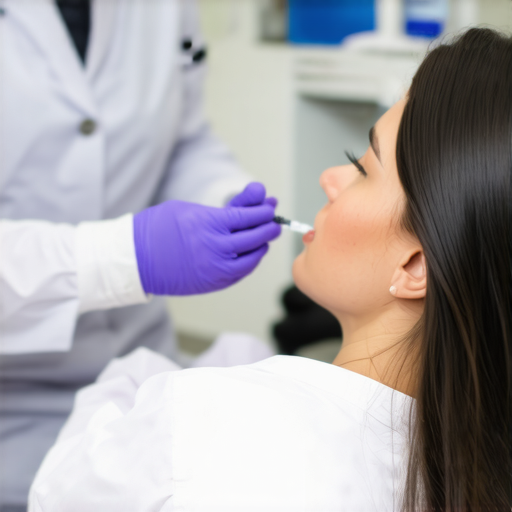

Medical Disclaimer: The clinical information presented herein is intended solely for educational and performance analysis purposes. Medical aesthetics, dermal volume restoration, and neuromodulator therapies are invasive medical procedures that require individualized diagnostic assessment by a licensed healthcare professional. Always consult a qualified clinician prior to initiating any aesthetic or anti-aging regimen.
The Structural Illusion of Topical Rejuvenation
The smell of fresh paint mixed with faint ozone from high-frequency laser units fills the consultation room while the soft hum of the air conditioner cuts through the South Tampa heat. In the landscape of biological aging, most consumers approach structural facial degradation as if it were a simple surface blemish. They slather high-viscosity retinoids and expensive peptide crèmes across the stratum corneum, hoping to reverse a physiological process occurring far beneath the epidermis. The blunt reality is that epidermal topical agents cannot alter deep facial fat pad atrophy, bony resorption, or chronic hypertonicity of the facial musculature. When considering lip fillers in South Tampa alongside classic dermal strategies, understanding the structural layer where aging actually happens is key. For those curious about facial architecture, examining why we choose filler over botox to restore sunken cheeks offers immediate insight into structural volume loss. The physiological clock does not pause for topical moisture; it demands mechanical volumetric adjustment.
Metabolic Mechanics and Dermal Matrix Dynamics
To grasp why injectable cross-linked hyaluronic acid gels outperform traditional topical anti-aging protocols, one must zoom into the extracellular matrix of the deep dermis and subcutaneous space. Skin aging is driven by two main forces: intrinsic biological degradation and extrinsic environmental stress, primarily solar ultraviolet radiation that breaks down tissue in coastal Florida. At the cellular level, solar radiation generates reactive oxygen species. These oxidants activate matrix metalloproteinases, which are enzymes that break down the structural collagen type I and type III triple helices. Over time, the fibroblast cells become senescent, losing their mechanical connection to the surrounding matrix and producing significantly less native hyaluronic acid.
Hyaluronic acid is a naturally occurring glycosaminoglycan with an extraordinary affinity for water molecules, capable of binding up to 1,000 times its molecular weight in water. In youthful tissue, endogenous hyaluronic acid maintains intracellular hydration and mechanical turgor. As the dermal layer thins and subcutaneous fat pads in the orbicularis oris region atrophy, the overlying skin collapses into static wrinkles and thin lips. Traditional moisturizers merely deposit superficial lipids onto the stratum corneum without altering the matrix underneath. Cross-linked hyaluronic acid dermal fillers are strategically implanted into these deep structural pockets to physically rebuild the extracellular matrix. The hydrogel acts as a physical scaffold, lifting the collapsed skin and restoring lost structural volume. Furthermore, the physical stretching of local fibroblasts by the gel scaffold triggers mechanotransduction, which stimulates dormant cells to synthesize new collagen fibers.
The Local Environmental Burden in South Tampa
Living along Bayshore Boulevard or navigating the humid streets of Hyde Park subjects the facial skin to a constant environmental assault. The intense Florida sun accelerates photoaging, causing dermal elastosis and breaking down the cellular scaffold long before natural biological aging takes hold. Observations from the clinic show that South Tampa residents often present with premature perioral rhytids and accelerated volume loss due to this chronic UV exposure and high temperature-induced oxidative stress. Standard creams fall flat because they cannot overcome this constant environmental degradation. Many patients mistakenly mix up neuromodulators and dermal fillers when attempting to solve these environmental lines. Reading about the wrinkle strategy deciding between botox or filler for deeper creases clears up how these two therapies fix different structural issues.
Clinical Reading List
- Balancing Proportions Why Subtle Lip Fillers Beat Dramatic Pouts Every Time
- Why South Tampa Patients Are Trading Dramatic Lips For Subtle Proportions
- Managing the Day Three Lip Filler Swelling What Your Injector Forgot to Mention
- Is Botox Safe What New South Tampa Patients Need to Know Before Their Appointment
Friction Points and the Over-Volumization Trap
A major flaw in modern cosmetic practice is the idea that if a little filler works, more must be better. This misunderstanding leads to migration, distorted anatomy, and unnatural expressions. The perioral zone is an active muscular system controlled by the orbicularis oris muscle, which contracts thousands of times per day during speech, chewing, and expression. Injecting heavy, overly dense dermal fillers into superficial tissue planes disrupts these natural kinetics. The gel gets displaced across muscle boundaries, creating an overfilled look that distorts the face. A precise approach respects natural anatomical boundaries, using low-viscosity, highly cohesive cross-linked gels placed in the proper tissue planes to preserve natural movement. To see how subtle balance outperforms excess, review why finding the best lip fillers in tampa comes down to proportions. The goal is always physiological harmony, not artificial inflation.
Evolving Standards from Legacy Skincare to 2026 Biostimulation
Legacy anti-aging routines relied heavily on aggressive chemical peels, harsh exfoliation, and superficial hydration. These approaches often damaged the protective skin barrier while ignoring deep structural volume loss. In 2026, aesthetic medicine views facial aging through a multi-layered lens. We now address epidermal health with target antioxidants, manage hyperactive expression muscles with precise neuromodulators, and rebuild deep structural volume using advanced hyaluronic acid and biostimulatory matrix gels. Those considering subtle rejuvenation often explore options like why women in their 30s are moving toward baby botox early to tackle fine lines before they settle into deep creases.
Frequently Asked Questions
How do lip fillers compare to daily topical anti-aging creams?
Topical creams only hydrate the outer stratum corneum and cannot restore lost dermal volume or structural support. Lip fillers use cross-linked hyaluronic acid gel placed into deep tissue layers to physically rebuild lost structure, instantly smoothing perioral lines and restoring dynamic lip proportions.
Are lip filler injections safe for sensitive skin types?
Yes, because high-grade dermal fillers are made from synthetic hyaluronic acid, which is biocompatible with the body’s natural matrix. Clinical safety depends primarily on the injector’s knowledge of facial anatomy, proper aseptic technique, and careful aspirating to avoid intravascular injection.
How long do hyaluronic acid lip fillers typically last in active individuals?
Most modern cross-linked hyaluronic acid fillers in the perioral region last between 6 and 12 months. High metabolic rates, frequent physical exercise, and heavy muscular movement of the orbicularis oris can speed up enzymatic breakdown by native hyaluronidase.
What is the difference between treating perioral lines with filler versus Botox?
Neuromodulators relax the dynamic muscle contractions that create movement lines, while dermal fillers directly physically lift static creases and replace lost volume. A complete treatment plan often combines both modalities to address both dynamic motion and static structural loss.
How do I avoid an artificial or overfilled look with lip fillers?
Natural results require precise anatomical dosing, choosing the correct gel cohesivity, and maintaining proper facial proportions. Patients interested in subtle adjustments can look into the South Tampa approach to preventative injections that dont look fake to see how low-volume techniques preserve natural facial movement.
Restoring Structural Integrity and Long-Term Tissue Health
True anti-aging requires moving past superficial temporary fixes and addressing the precise physiological layers responsible for structural collapse. By integrating advanced biostimulatory gels, targeted neuromodulators, and barrier-supportive skincare, patients can maintain natural facial architecture and healthy skin for years to come. Do not let outdated protocols waste your time or compromise your facial balance. Consult with a qualified medical professional who understands deep facial anatomy to design a personalized treatment strategy that protects your natural expressions while restoring youthful tissue volume.