
The Anatomy of the Subtle Shift
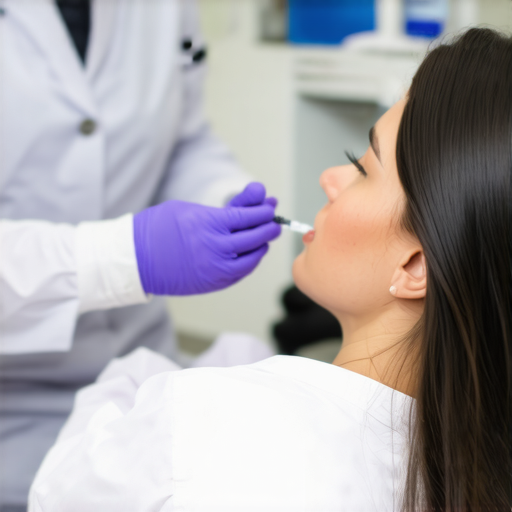
The smell of damp soil and the slow, rhythmic drip of a garden hose after a humid afternoon on Davis Islands set the pace. In our wellness practice, we analyze the human body as a living ecosystem, much like a botanical sanctuary, rather than a mechanical factory. Disclaimer: The information presented here is for educational purposes and performance analysis: consult a qualified medical expert before initiating any cosmetic or metabolic interventions. Observation of local patterns shows that local professionals are stepping away from frozen expressions. People are waking up to the reality that aggressive alterations degrade natural tissue movement over time. The modern preference is for soft, gradual maintenance that preserves your organic facial expressions while restoring structural integrity at the cellular level.
We see it in every consultation across Hillsborough County. People want to look like themselves, only rested and structurally supported. The era of over-filled cheeks that distort during a laugh is ending. True restoration requires an understanding of how deep fat pads shift and how skeletal structure changes over decades. By prioritizing subtle interventions, we honor the underlying anatomy. Let us look at what the biological data actually reveals about facial architecture and muscle behavior under stress.
Explore these clinical foundations to understand our anatomical approach:
- Why South Tampa Patients Are Trading Dramatic Lips for Subtle Proportions
- How to Refresh Aging Tampa Skin Without Looking Like You Had Work Done
- Why Dr. Anne Hermann Focuses on Facial Anatomy Before Picking Up a Syringe
Metabolic Mechanics and Cellular Longevity
Our skin cells and muscles function through precise cellular pathways that rely on Adenosine Triphosphate, or ATP. The mitochondria within our dermal fibroblasts generate the energy needed to synthesize collagen and elastin fibers. When we introduce local neuromodulators, we are not simply freezing a muscle: we are strategically altering the mechanical tension loop. High muscular tension triggers a signaling cascade that elevates inflammatory markers. By gently dampening this micro-tension, we allow the skin to heal from constant mechanical stress, preserving the extracellular matrix.
Furthermore, dermal fillers do more than merely inflate space. Modern hyaluronic acid gels act as a scaffold, stimulating the body’s own fibroblasts to deposit type I collagen along the gel boundaries. This process of mechanical stretching of the fibroblasts actually reactivates their youthful secretory state. It is a biological feedback loop that relies on precise anatomical placement rather than sheer volume. Using tiny, calculated amounts ensures that we do not overload the lymphatic drainage pathways of the midface, preventing the chronic, low-grade puffiness often seen with outdated techniques.
The Local Environmental Impact on Skin Health
Living in South Tampa means facing specific environmental stressors that accelerate cellular aging. The intense subtropical sun down by Bayshore Boulevard delivers continuous ultraviolet radiation. This UV exposure triggers the production of matrix metalloproteinases, which are enzymes that break down collagen. To combat this localized environmental stress, our regional protocols must account for rapid collagen degradation. This makes preventative care highly practical for active individuals who spend their weekends boating or running outdoors.
Local clients often require a hybrid strategy that combines protective antioxidants with targeted, deep-level treatments. For example, many young professionals are opting for a baby botox early approach to prevent deep creases from etching permanently into the dermis. By calming the facial expressions that fight against the bright Florida sun, we prevent the deep wrinkling that topical skincare alone cannot address. It is a logical, preventative shield designed for our local climate.
Why Standard Anti-Aging Advice Fails
The mainstream beauty industry loves to recommend heavy, expensive topical skincare regimens. However, basic biology tells us that the skin barrier is exceptionally good at keeping foreign molecules out. Large molecules like raw collagen or unprocessed hyaluronic acid simply cannot penetrate the stratum corneum to reach the deep dermis where structural aging occurs. Investing hundreds of dollars in topical creams to fix deep facial hollows is like watering the leaves of a plant while the roots are dry.
To truly address structural volume loss, we must look beneath the skin surface. This is why strategic dermal fillers outperform heavy skincare routines for deep creases. Instead of fighting the impenetrable outer barrier of the skin, we place targeted support directly into the deep subcutaneous compartments or against the bone. This lifts the overlying tissue naturally, restoring the youthful contours of the cheeks and jawline without creating a heavy or artificial appearance.
Old School Injections versus Modern Restoration
In the past, cosmetic injections were applied with a heavy hand, resulting in the frozen, mask-like faces that dominated the early 2000s. Today, we understand that muscle groups operate in dynamic harmony. If you completely freeze one muscle, neighboring muscles will overcompensate, leading to unnatural movement patterns. Modern techniques focus on micro-dosing to soften contractions while preserving the expressive movement of your face.
Is preventative care suitable for people in their late twenties?
Yes, introducing low-dose neuromodulators early can prevent repetitive muscle movements from wearing down the skin, meaning you require fewer corrective treatments later in life.
What is the difference between fillers and neuromodulators?
Neuromodulators temporarily relax the muscles that cause expression lines, whereas fillers restore lost volume in areas experiencing structural depletion or deep creases.
How long do modern dermal fillers typically last in active individuals?
In highly active individuals with fast metabolic rates, fillers typically last between nine to eighteen months depending on the specific product formulation and the placement area.
Will my face look worse if I choose to stop treatments?
No, your skin will simply return to its natural aging rate, and the structural benefits accrued during your treatments will remain as a baseline defense.
How can I avoid looking over-treated or plastic?
The key is to work with an experienced practitioner who prioritizes facial anatomy, utilizes conservative dosing, and values natural facial movement over artificial symmetry.
Sustainable Care for Lasting Vitality
True aesthetic restoration is a long-term cultivation, not a rapid emergency repair. By treating the face as a living, breathing landscape, we achieve results that look effortlessly youthful and remain structurally sound over time. If you are ready to explore a refined, anatomy-first approach to wellness and longevity, seek out a personalized evaluation that honors your unique biological structure.