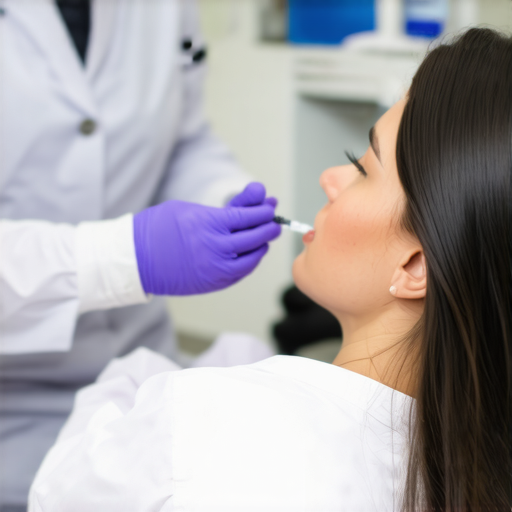

Understanding Cellular Aging and Structural Tissue Adaptation
Before implementing aggressive aesthetic or metabolic protocols, individuals must consult qualified medical professionals, as biological responses vary based on underlying physiological conditions and endocrine health. Observations from the clinic show that cellular aging is not merely a surface-level phenomenon driven by chronologic time. It is an active metabolic process governed by mitochondrial efficiency, structural protein cross-linking, and the mechanical tension of deep tissue architecture. When evaluating cellular decay, we must observe how mitochondrial electron transport chains generate reactive oxygen species (ROS), which degrade extracellular matrix components like collagen type I and elastin. Concurrently, the mechanical strain placed on facial musculature creates repetitive stress lines that eventually become static deep-set creases. Understanding this duality between deep cellular dynamics and surface structural integrity allows us to approach facial rejuvenation and metabolic performance with surgical accuracy.
Sensory feedback in clinical settings reveals the subtle nuances of patient tissue. Smelling the faint trace of medical-grade ethanol and hearing the rhythmic clicking of calibrated micropipettes, one realizes that true longevity work is grounded in exact measurements. The body functions as a complex load-bearing structure where skin thickness, dermal density, and muscle tone interact continuously. When muscle contraction occurs repeatedly without adequate biological rebound, the skin folds along predefined tension lines. To maintain structural harmony without creating unnatural stiffness, modern interventions focus on dampening hyperactive neuromuscular signals while preserving baseline physiological mobility.
To navigate the nuances of facial restructuring, many individuals analyze balancing proportions why subtle lip fillers beat dramatic pouts every time as a reference for maintaining natural structural symmetry. Proper clinical assessment requires balancing the resting tone of muscles with the elasticity of the surrounding cutaneous envelope.
Clinical Reading List for Structural Optimization
- why preventative botox in westchase stops fine lines before they start
- how carrollwood patients are using dermal fillers to restore lost jawline volume
- why davis islands residents prefer discreet aesthetic results
- why chronic migraine patients are swapping pills for precise injections
Metabolic Zooming from ATP Synthesis to Neuromuscular Junctions
Biometric mapping reveals that the intersection of neuromuscular activity and metabolic turnover defines how tissue ages over decades. At the microscopic level, acetylcholine release at the neuromuscular junction triggers muscle fiber depolarization through nicotinic receptors. This localized contraction, when sustained across years of high stress or intense sunlight exposure, wears down the dermal scaffolding. Simultaneously, the mammalian target of rapamycin (mTOR) pathway and AMPK signaling regulate cellular repair mechanisms. When AMPK is activated through targeted physiological stressors, autophagic clearing of damaged proteins increases, creating a cleaner metabolic slate for dermal fibroblast synthesis.
When deep facial lines develop, topical treatments fail because they cannot alter the underlying muscular contraction forces or deep structural volume loss. Dermal layers lose their glycosaminoglycan content, reducing water retention capacity and resulting in hollowed, tired appearances. The clinical solution requires a dual approach: modulating excessive muscular pull and selectively restoring lost deep-space volume. To understand how focused biological interventions address deep structural folds, review when filler beats botox the best way to handle deeply set facial creases for a clinical breakdown of structural restoration.
When addressing dynamic lines caused by repetitive expression, targeted neuromodulator placement relaxes the hyperactive fibers without freezing surrounding expression vectors. Patients exploring preventative options often look into the fine-line test how to know if you are ready for preventative injections to gauge the appropriate timing for early intervention before dermal fractures occur permanently.
Environmental Pressures and Regional Adaptation Signals
Environmental stressors accelerate biological tissue degradation. In regions like South Tampa, Carrollwood, and Westchase, high ultraviolet index exposure induces matrix metalloproteinase (MMP) expression, breaking down collagens at an accelerated rate. The local heat and intense solar rays demand higher metabolic resilience and specific dermal protection strategies. Residents spending time outdoors around Bayshore Boulevard or hiking through Wilderness Connection trails face relentless oxidative stress that depletes dermal antioxidant reserves.
For residents in sun-dense microclimates, relying solely on topical SPF is insufficient to counter systemic solar damage. Biometric analysis shows that solar radiation induces thermal inflammation, accelerating fat pad atrophy in the midface. This sub-dermal volume reduction shifts the mechanical load of the skin downward, creating prominent nasolabial folds and sagging along the jawline. Addressing these region-specific stress factors requires an integrated approach combining metabolic protection with targeted volume restoration.
Patients seeking subtle refinements without broadcasting their clinical routines frequently study a local’s search for discreet botox options around South Tampa to maintain a natural, unworked aesthetic in professional environments.
Disrupting Modern Fitness Dogma and Aesthetic Fallacies
The standard paradigm suggesting that aggressive exercise and superficial skincare can reverse structural biological aging is fundamentally flawed. Over-training elevates sustained systemic cortisol, which breaks down cutaneous structural collagen and accelerates facial volume depletion. Furthermore, generic fitness advice ignores bio-individual recovery limits, leading to chronic low-grade inflammation that manifests as dull, premature aging skin.
The same logic applies to aesthetic interventions: more product does not yield better outcomes. Over-filling dermal spaces distorts facial kinetics and creates unnatural fluid dynamics under the skin. True optimization relies on precise micro-dosing and targeted anatomical placement. Men and women require distinct analytical frameworks due to structural differences in muscle mass, skin thickness, and bone density. Men seeking discrete facial refresh options often examine the executive refresh why more Tampa men are getting subtle botox to understand how tailored anatomical dosing maintains masculine facial lines while erasing fatigue.
Understanding these anatomical nuances is equally critical when treating complex zones like the lower face and neck. Reviewing why masseter injections are the best move for jaw slimming highlights how targeted muscular relaxation reduces jaw clenching while simultaneously refining the lower facial contour.
Comparing Traditional Interventions with Modern Bio-Somatic Protocols
Historical anti-aging approaches relied on aggressive surgical pulling or heavy, indiscriminate dermal filling. These legacy tactics frequently ignored underlying tissue health, resulting in unnatural tautness and long recovery periods. Modern protocols in 2026 prioritize biological harmony, using subtle micro-injections, bio-identical restorative agents, and targeted neuromuscular modulation to yield undetectable, refreshed results.
Frequently Asked Questions
How does targeted neuromodulation differ from traditional surgical facelifts?
Neuromodulators work at the cellular junction to temporarily reduce muscle activity that causes dynamic wrinkles, whereas surgical procedures physically cut and reposition skin and deep fascia. Non-surgical modalities offer zero surgical downtime and preserve natural facial expressions when administered by experienced clinicians.
Why do UV exposure and climate accelerate the need for preventative treatments?
Ultraviolet radiation triggers enzymatic breakdown of dermal collagen via matrix metalloproteinases. In intense sun climates, this degradation accelerates, causing fine lines to turn into deep, permanent static creases much earlier in life.
What is the difference between volume restoration using fillers and wrinkle dampening with neuromodulators?
Neuromodulators relax hyperactive muscles that crease the skin from beneath, while dermal fillers restore volume loss within sub-dermal fat pads and deep structural compartments. Using the correct modality depends on whether the line is dynamic or structural.
How long do subtle neuromodulator treatments typically last?
Individual metabolic rates, physical activity levels, and neuromuscular strength influence longevity, but standard results typically maintain efficiency for three to four months before normal neurotransmitter activity resumes.
Can men receive the same aesthetic protocols as women?
The underlying anatomy differs significantly between sexes. Men generally possess thicker skin, higher muscle mass, and distinct skeletal contours, requiring specific dosing patterns and placement vectors to preserve masculine characteristics.
Architecting Your Personal Longevity Strategy
Long-term metabolic resilience and structural aesthetic harmony require a deliberate, data-driven approach rather than reactive fixes. By combining precise cellular optimization, intelligent solar protection, and customized non-surgical structural adjustments, individuals can maintain a vibrant, natural appearance across every decade of life. Take charge of your physiological trajectory by consulting with experienced clinical experts who prioritize anatomical precision, subtle outcomes, and long-term biological integrity.